 |
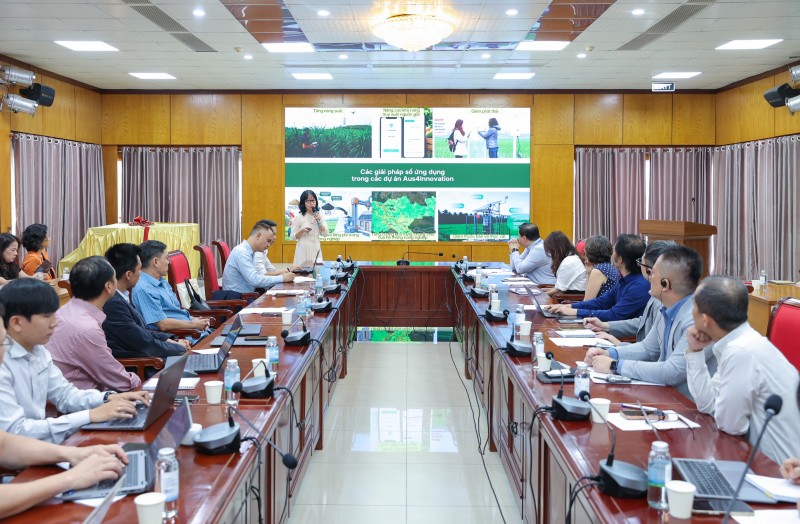
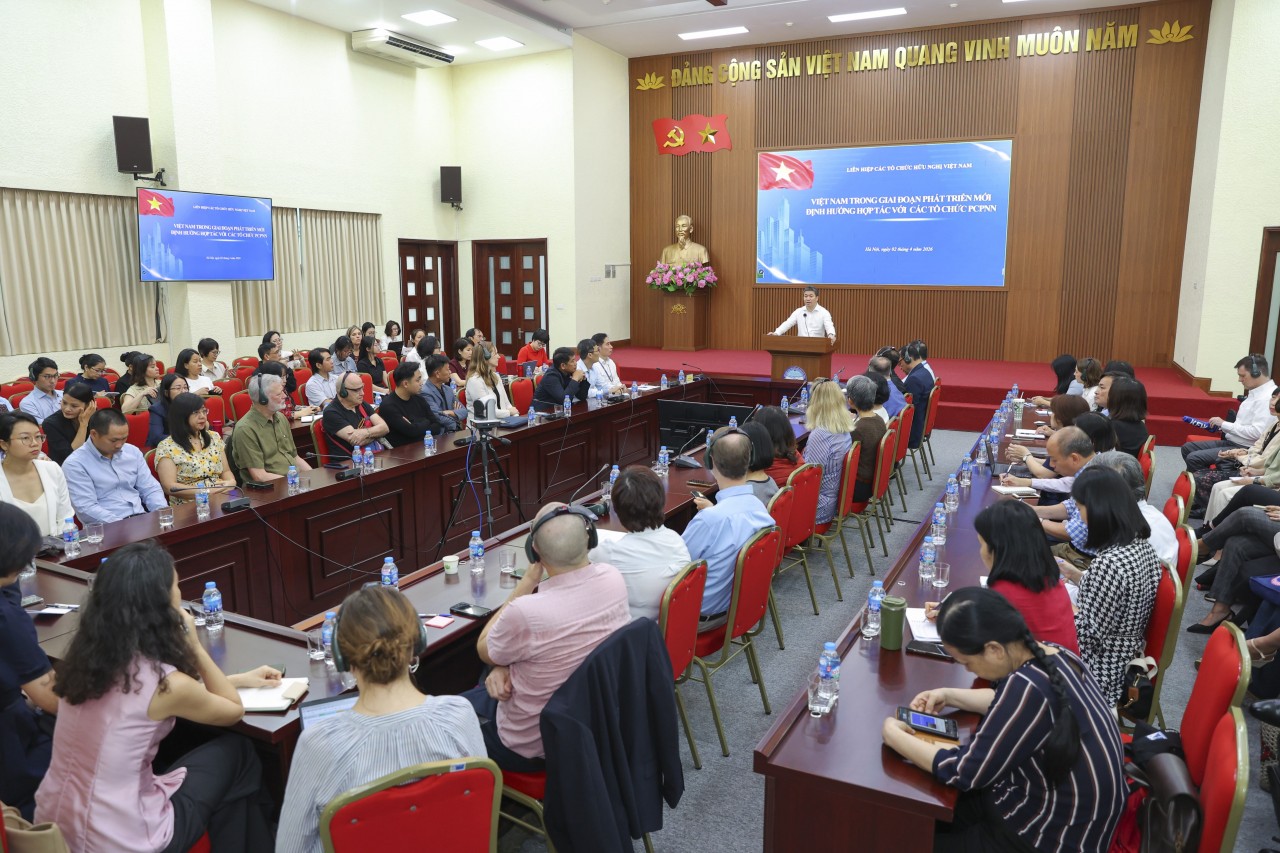
| The 2026 Information Sharing Conference with foreign NGOs. (Photo: Dinh Hoa) |
The conference was attended by Phan Anh Son, President of the Viet Nam Union of Friendship Organizations; Mr. Nguyen Ngoc Hung, Vice President of the Viet Nam Union of Friendship Organizations and Vice Chairman of the Committee for Foreign Non-Governmental Organization Affairs; representatives of member agencies of the Committee; leaders and staff of the People’s Aid Coordinating Committee (PACCOM); and a large number of representatives from foreign NGOs participating both in person and online from various locations in Viet Nam and abroad.
At the conference, participants were updated on a number of important aspects of Viet Nam’s political and development landscape, including major upcoming events such as the 14th National Congress of the Communist Party of Viet Nam; preparations for the elections of deputies to the 16th National Assembly and People’s Councils at all levels for the 2026-2031 tenure; notable achievements after 40 years of Doi Moi (1986-2026); socio-economic development orientations for the 2026-2030 period; as well as foreign policy directions and orientations for people-to-people diplomacy in the new context.
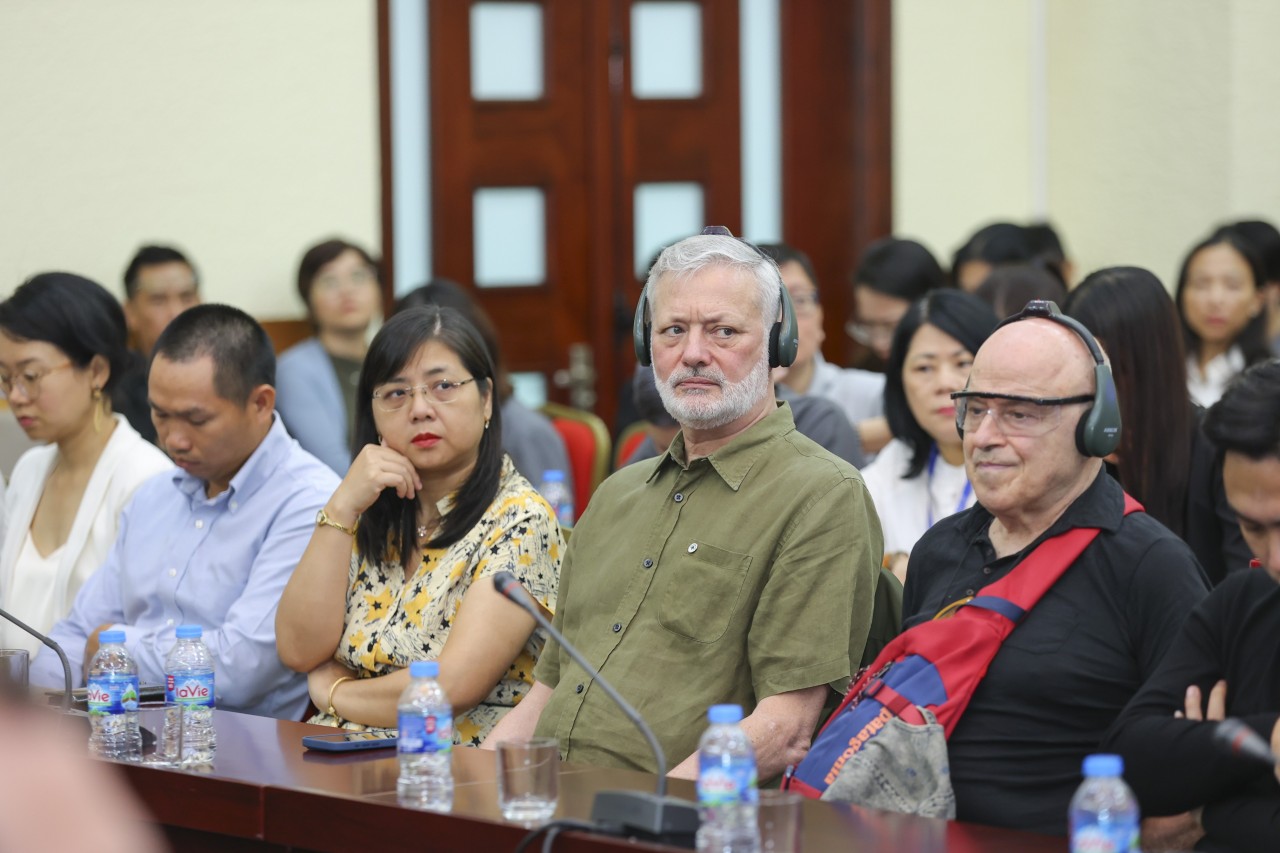 |
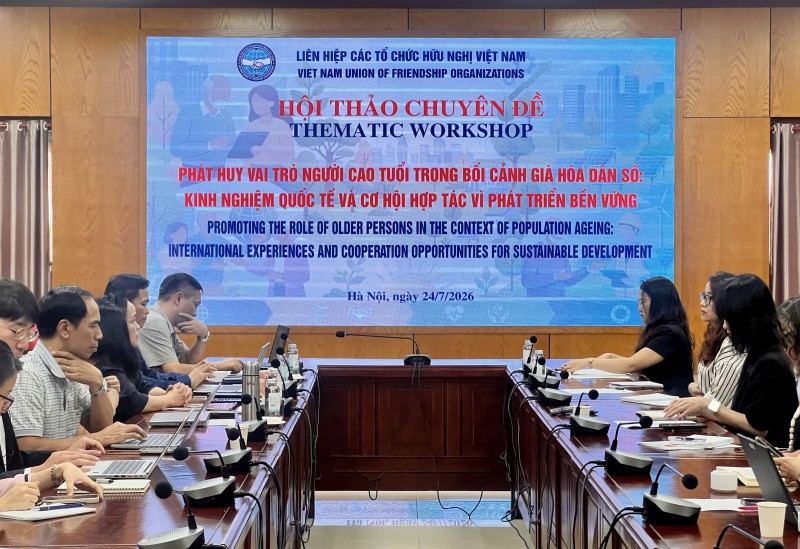
| A large number of representatives from foreign NGOs attended the conference. (Photo: Dinh Hoa) |
The conference clearly outlined major orientations for the activities of foreign NGOs in Viet Nam in the coming period. Accordingly, cooperation will gradually shift from traditional aid models to strategic development partnerships aligned with long-term national development goals; from a “donor-recipient” approach to “co-creating value,” promoting co-financing, multi-stakeholder cooperation, and the transfer of knowledge and technology. At the same time, activities should be innovated toward greater flexibility and adaptability to new contexts, with enhanced transparency and a stronger focus on measuring the effectiveness and impact of programs and projects.
Priority areas for strategic cooperation were identified as including: high-quality human resource development; sustainable rural development associated with multidimensional poverty reduction; digital transformation and innovation; green transition; and adaptation to population aging. To operationalize these orientations, the Viet Nam Union of Friendship Organizations plans to organize thematic dialogues and workshops to further engage with partners.
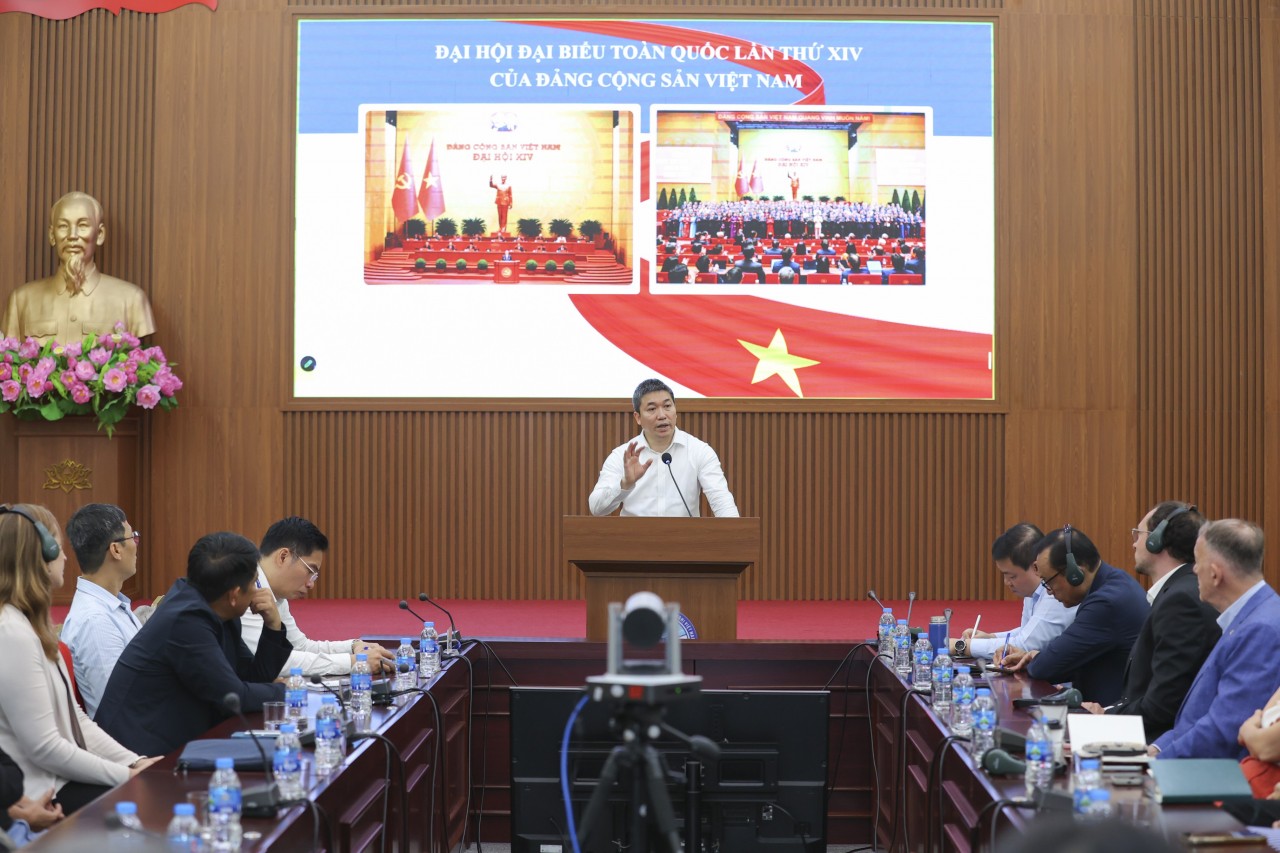 |
| President of the Viet Nam Union of Friendship Organizations Phan Anh Son speaks at the conference. (Photo: Dinh Hoa) |
In his concluding remarks, Phan Anh Son emphasized that foreign NGOs need to develop strategies and operational plans closely aligned with Viet Nam’s socio-economic development goals, while strengthening field surveys at the local level and consulting relevant ministries and sectors to ensure relevance and effectiveness.
He noted that upcoming thematic dialogues and workshops will involve participation from state management agencies and selected localities, creating a multi-dimensional consultation forum to help organizations further refine their operational orientations. In addition, organizational strategies should be adjusted in line with the overall development cycles of the country and localities, avoiding inconsistencies that may hinder practical implementation.
Regarding resource mobilization, he suggested that organizations prioritize partnerships and fundraising with international enterprises, while concentrating resources on key areas to avoid dispersion and enhance the effectiveness of program and project implementation.
Emphasizing the need for renewed thinking and approaches, Phan Anh Son expressed his hope that organizations will continue to study and update the orientations shared at the conference, thereby making appropriate adjustments in awareness, implementation methods, and activity content, contributing to improved effectiveness of development cooperation in the new period.
Concluding the conference, participants agreed on the need to strengthen information exchange, share operational orientations and funding needs, thereby enhancing coordination efficiency and ensuring that programs and projects align with Viet Nam’s development priorities, while maximizing the value of cooperation among stakeholders in the time ahead.
Source: Vietnamtimes