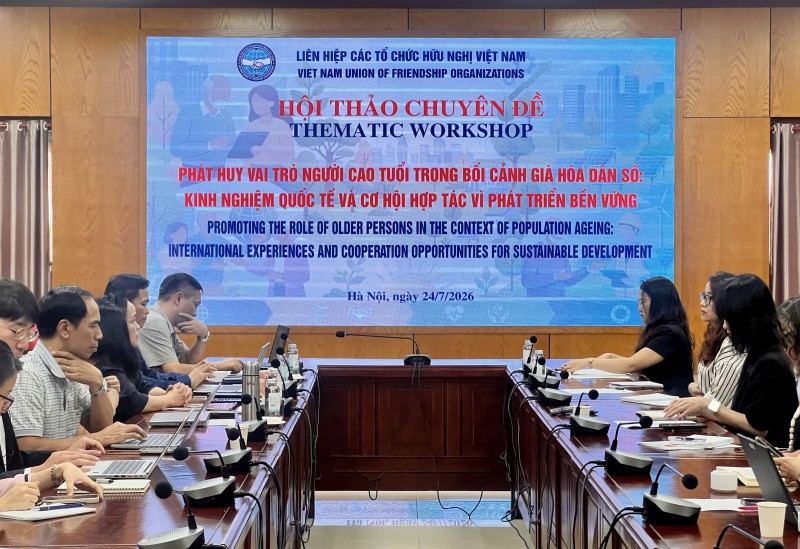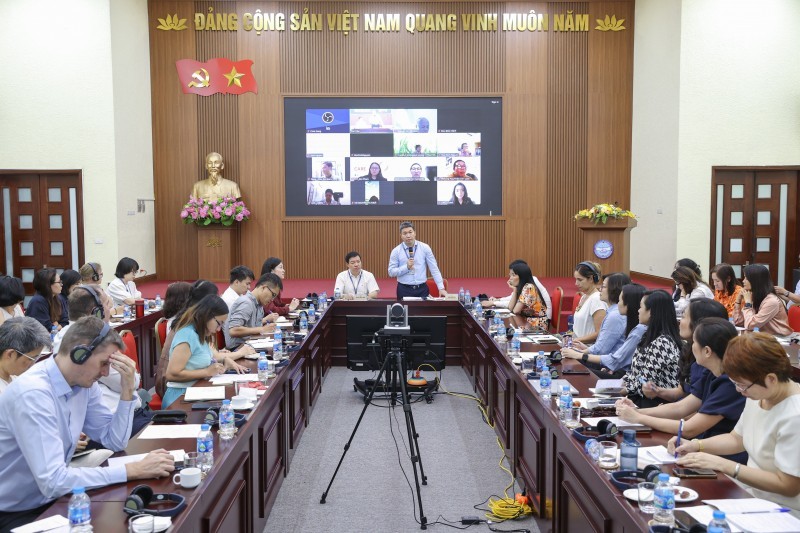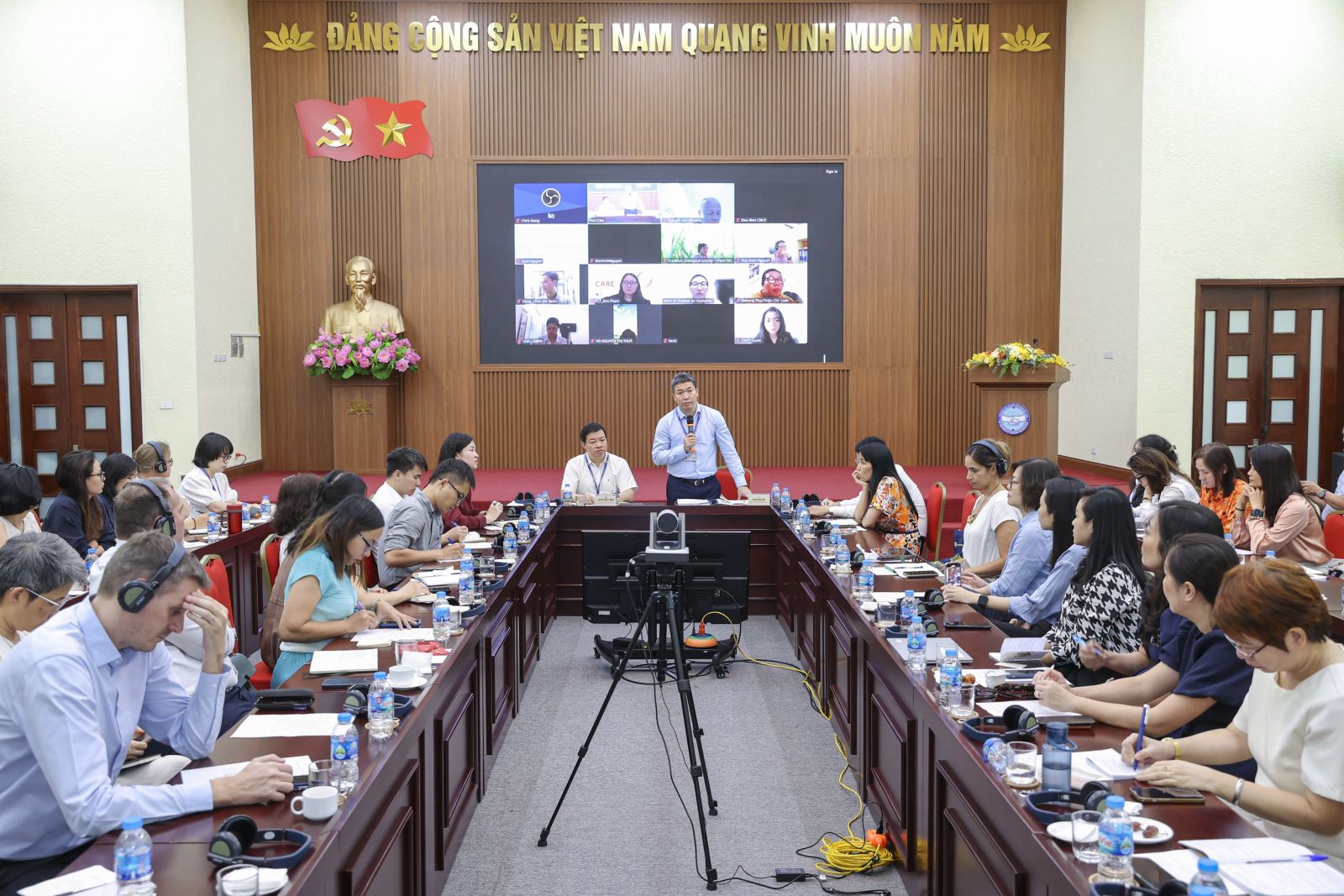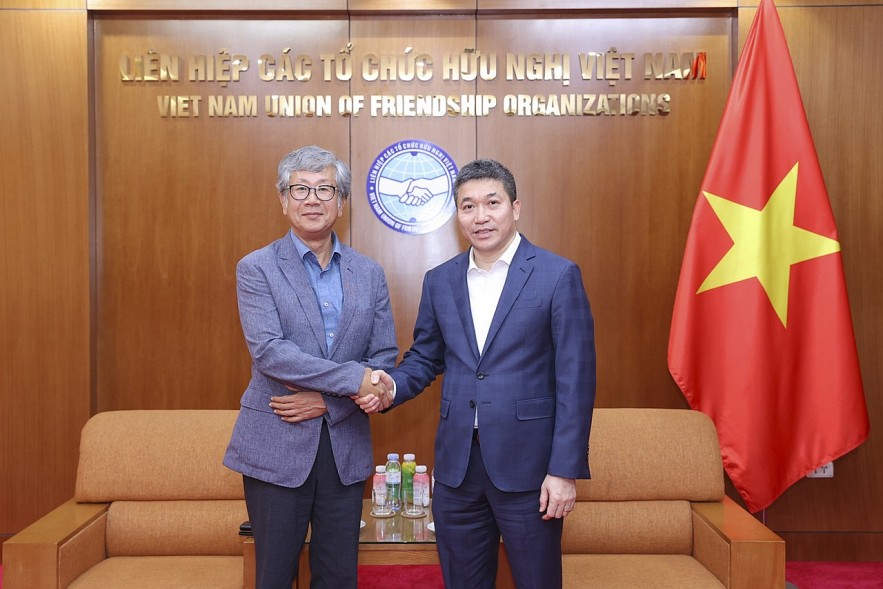
Participants at the Conference included: Deputy Minister of Foreign Affairs and Chairman of the Committee for Foreign Non-Governmental Organization Affairs Ngo Le Van; President of the Viet Nam Union of Friendship Organizations Phan Anh Son; Vice President of VUFO and Vice Chairman of the Committee for Foreign Non-Governmental Organization Affairs Nguyen Ngoc Hung; representatives of leaders of ministries, sectors, mass organizations, and agencies participating in the Committee’s mechanism; leaders of provincial and municipal People’s Committees; focal-point agencies for FNGO affairs in ministries, sectors and localities; FNGOs, embassies, foreign development cooperation agencies, international organizations in Viet Nam, and donors.
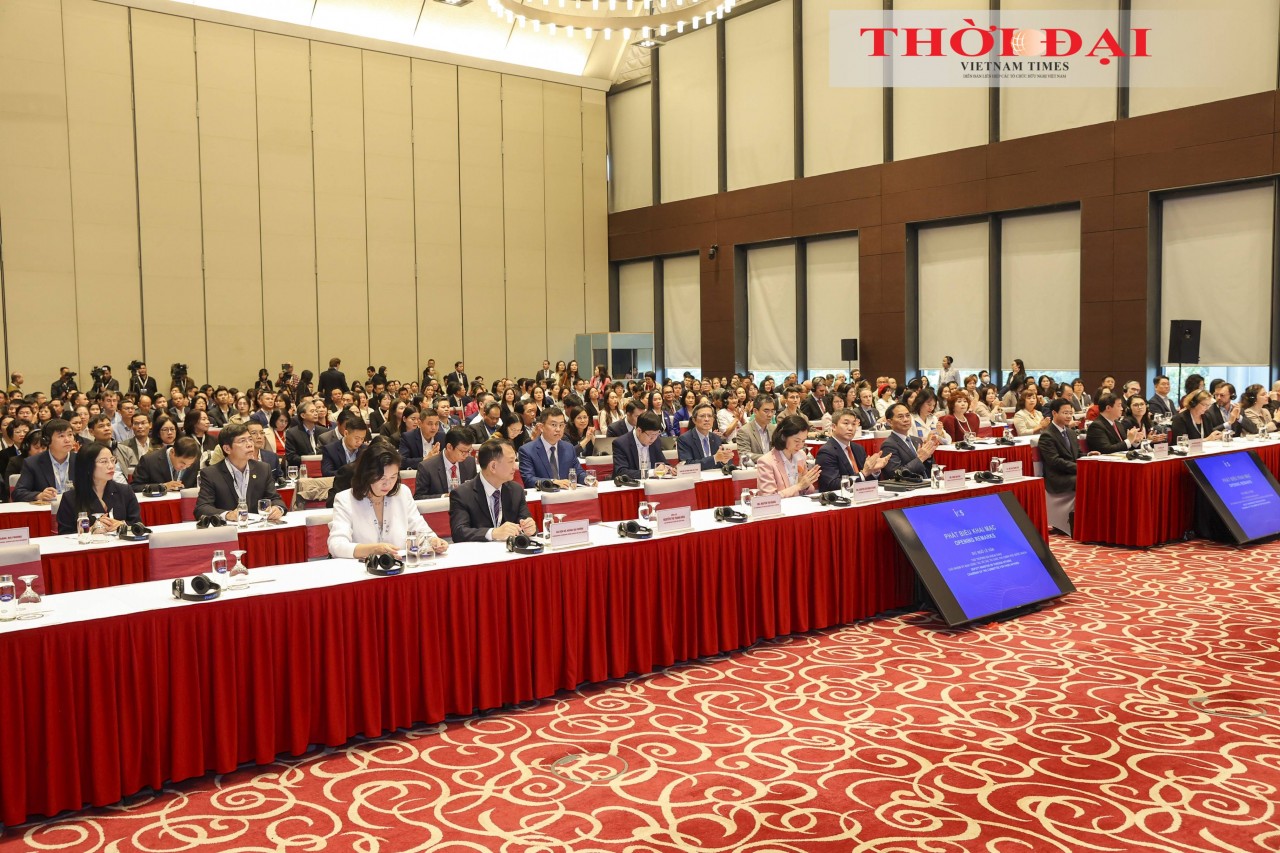 |
| Delegates attending the 5th International Conference on Cooperation between Viet Nam and Foreign Non-Governmental Organizations, partners for prosperity and sustainable development. (Photo: Dinh Hoa) |
Cooperation Highlights 2019-2025: Stability, Flexibility, and Sustainable Impact
Delivering the opening remarks, Deputy Minister of Foreign Affairs and Chairman of the Committee for Foreign non-governmental Organization Affairs Ngo Le Van stated that the 5th International Conference holds significant importance in comprehensively reviewing the cooperation outcomes between Viet Nam and FNGOs during 2019-2025; sharing lessons learned, development needs, and Viet Nam’s priorities; and discussing cooperation orientations for the new phase to ensure effectiveness, sustainability, and alignment with the rapidly changing global context. In addition to the plenary session, four thematic workshops will focus on key areas: Developing education and high-quality human resources; Sustainable poverty reduction and addressing social issues, contributing to shaping and managing sustainable social development; Promoting green economy, circular economy, and sustainable environmental protection; Enhancing cooperation effectiveness between Viet Nam and organizations.
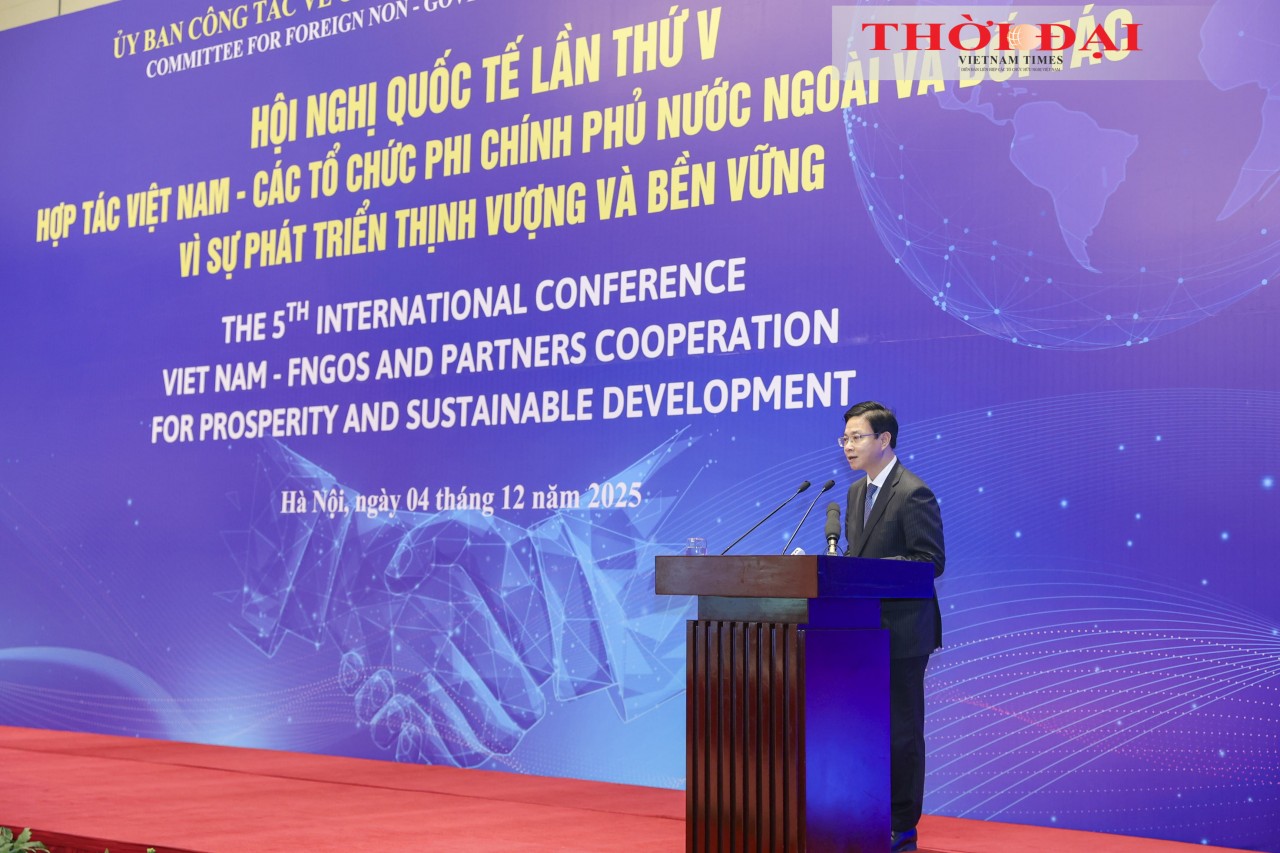 |
| Deputy Minister of Foreign Affairs and Chairman of the Committee for Foreign Non-governmental Organization Affairs Ngo Le Van delivers the opening remarks. (Photo: Dinh Hoa) |
To ensure the Conference yields practical results, Deputy Minister Ngo Le Van called on delegates to openly and frankly share experiences, new models, and innovative approaches; propose specific mechanisms and solutions to create breakthroughs in cooperation for the 2026–2030 period, contributing to sustainable development goals and Viet Nam’s two centennial development objectives; and promote stronger linkages among FNGOs, state agencies, businesses, and local communities. He expressed confidence that the Conference would be an opportunity to strengthen connections, expand partnerships, form new initiatives, and enhance mutual understanding between Viet Nam and FNGOs.
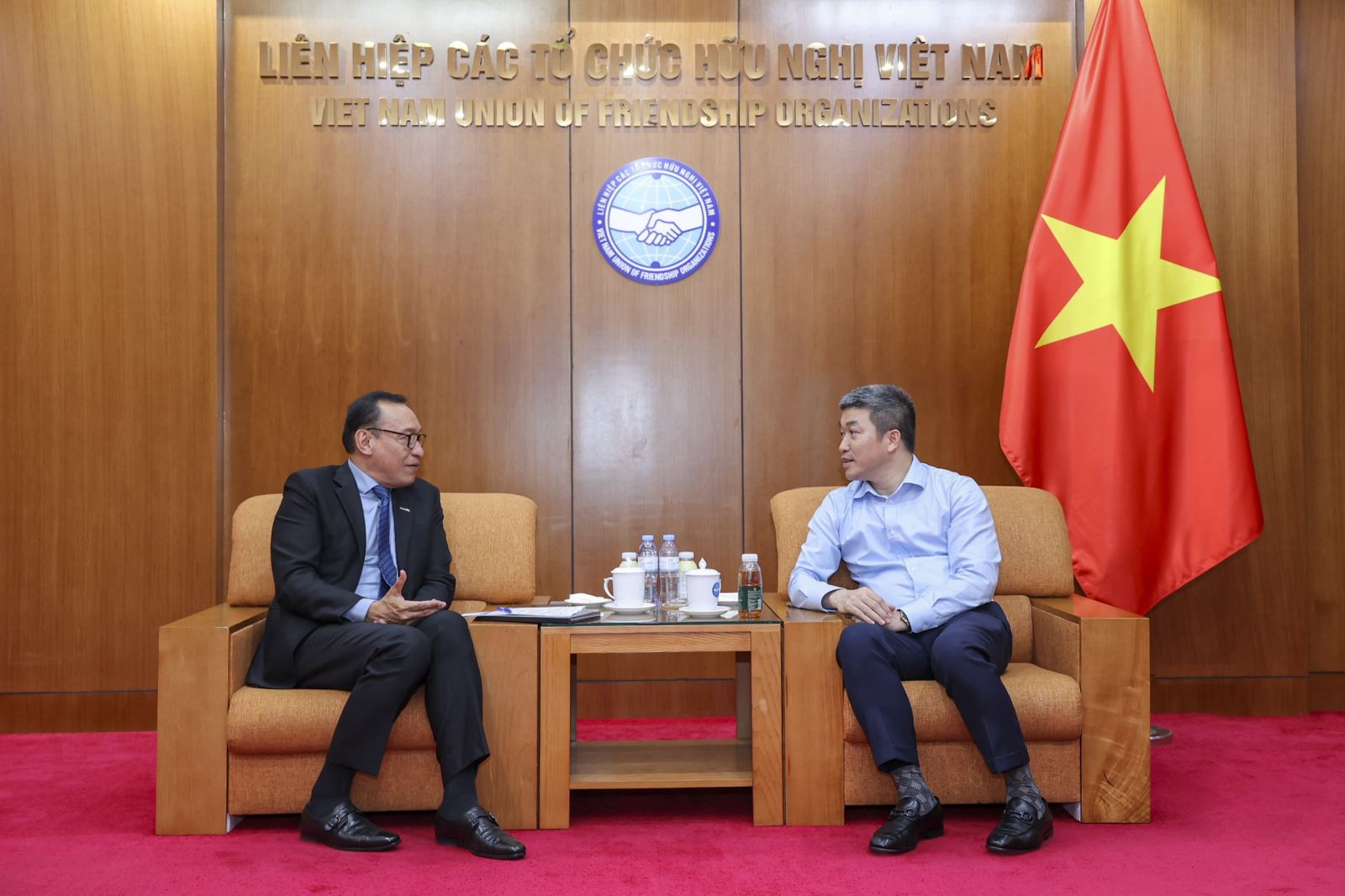
Delivering welcoming remarks, President of the Viet Nam Union of Friendship Organizations Phan Anh Son emphasized that cooperation with FNGOs is an important component of Viet Nam’s external relations in general and people-to-people diplomacy in particular. The significant achievements Viet Nam has made in poverty reduction and socio-economic development over the years have been supported by friends around the world, including FNGOs. These outcomes testify to the trust, close cooperation, and importance of the partnership between Viet Nam and FNGOs in the country’s development process.
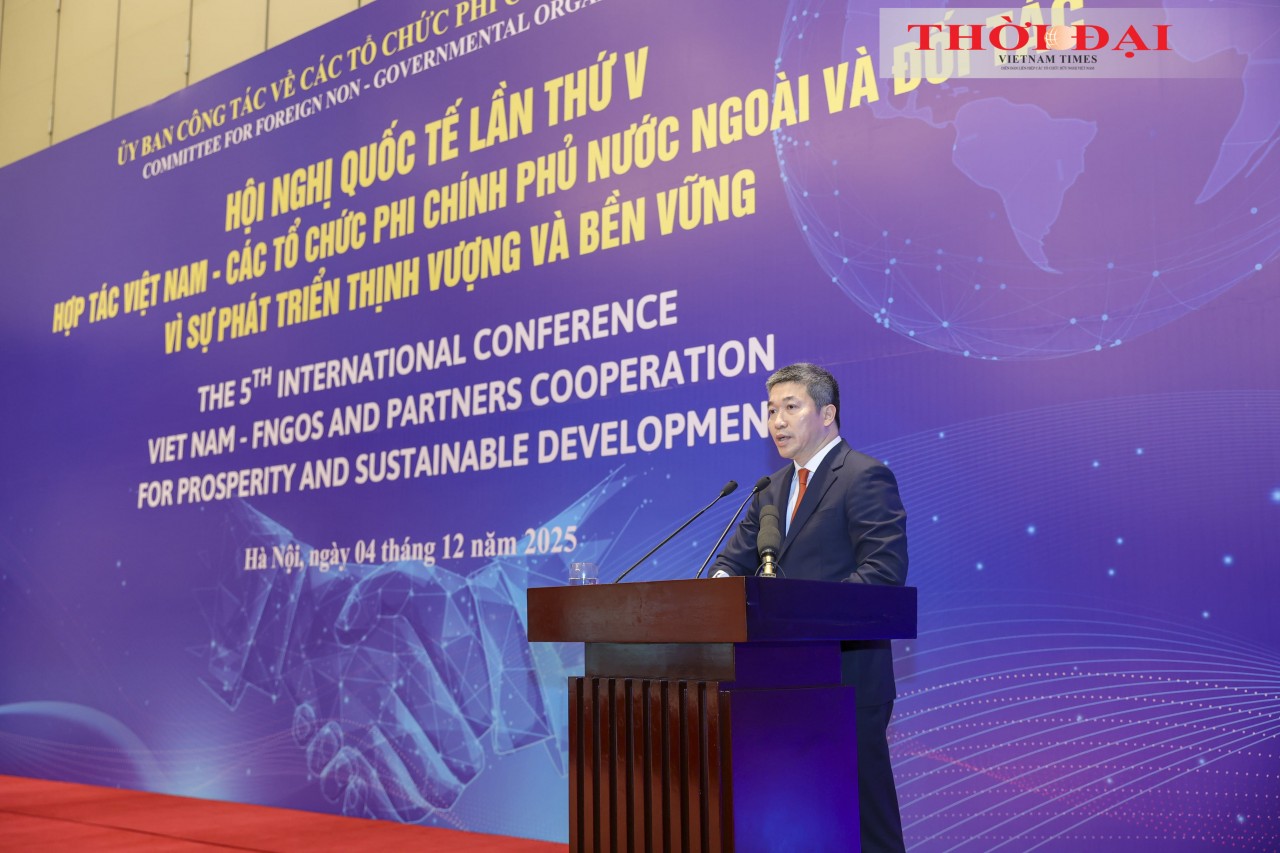 |
| President of the Viet Nam Union of Friendship Organizations Phan Anh Son delivers the welcoming remarks at the Conference. (Photo: Dinh Hoa) |
Entering a new stage of development, alongside the traditional high-impact areas that FNGOs have implemented over the years, Viet Nam encourages FNGOs to expand further into new fields aligned with the country’s priorities and development goals. These include: developing the green economy and circular economy, climate change adaptation, community digital transformation, support for sustainable agriculture, development of social welfare systems, capacity building for localities, and fostering innovation.
Along with the FNGO community, Viet Nam hopes for the continued engagement of development cooperation agencies, international organizations, financial institutions, and domestic and foreign enterprises to create a multi-stakeholder cooperation model that meets new requirements and expands the availability of resources, technology, and governance expertise. At the same time, Viet Nam aims to scale up and sustain the positive outcomes that many FNGO programs and projects have delivered to Vietnamese communities.
To enhance cooperation effectiveness in the coming period, the Viet Nam Union of Friendship Organizations proposes three key directions:
First, strengthening connections within the development ecosystem. This requires closer cooperation among FNGOs, localities, enterprises, research institutions, and mass organizations to maximize resources and reduce duplication in project implementation.
Second, expanding effective cooperation models. Viet Nam seeks to accompany FNGOs in developing models with long-term impact, influence, and effectiveness, helping to build community capacity and promote sustainable development.
Third, consolidating foundations of trust and transparency. Viet Nam always values the companionship of FNGOs and is committed to maintaining an open, responsible cooperation environment in accordance with the law. As the Standing Agency of the Committee, the Viet Nam Union of Friendship Organizations will continue to listen to proposals and recommendations, coordinate with relevant agencies, and report to higher authorities to devise effective development solutions.
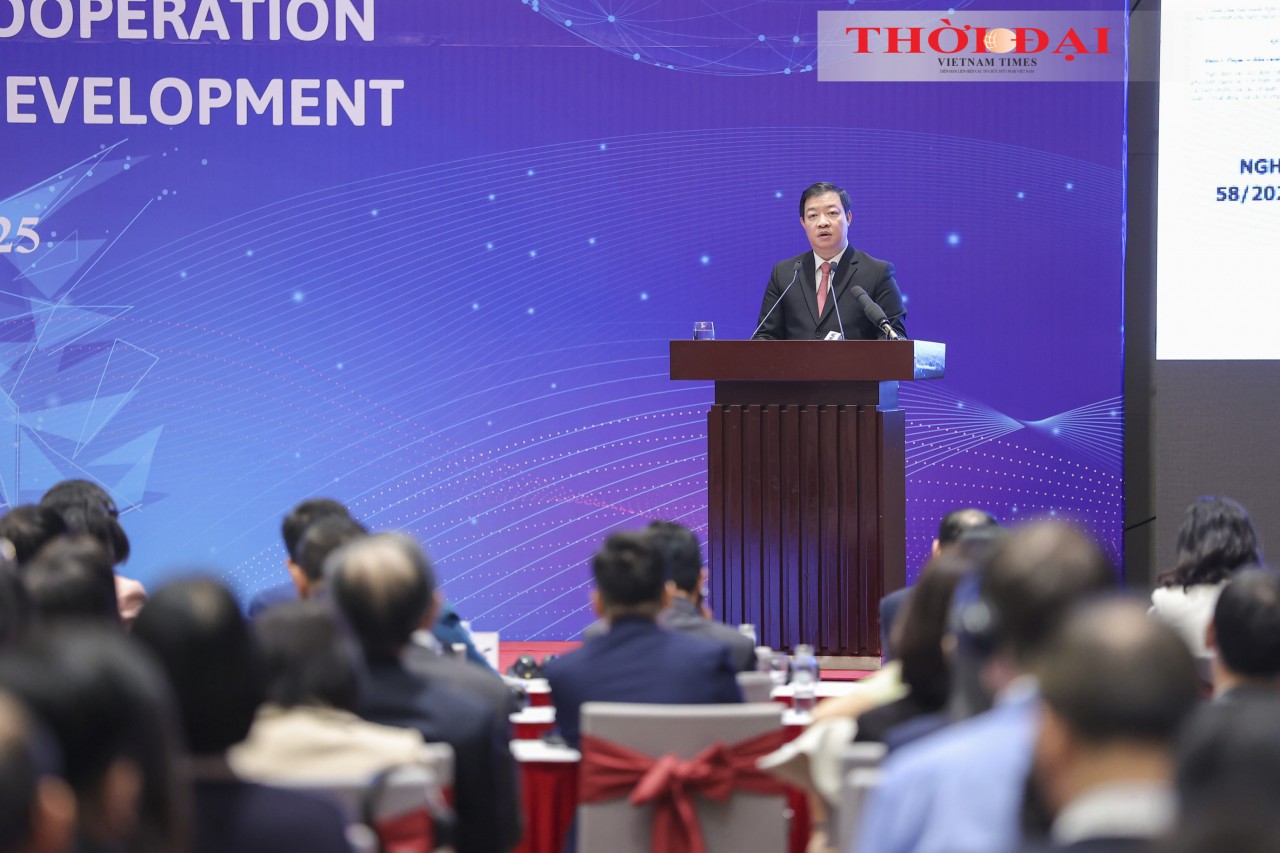 |
| Vice President of the Viet Nam Union of Friendship Organizations and Vice Chairman of the Committee for Foreign Non-governmental Organization Affairs Nguyen Ngoc Hung delivers an overview report on cooperation between Viet Nam and FNGOs for the 2020-2025 period and orientations for future cooperation. (Photo: Dinh Hoa) |
According to the report presented by Nguyen Ngoc Hung at the Conference, during the 2019-2025 period, despite complex, rapid, and profound changes in the international landscape, cooperation between Viet Nam and FNGOs has continued to be maintained in a stable and flexible manner, achieving many positive results.
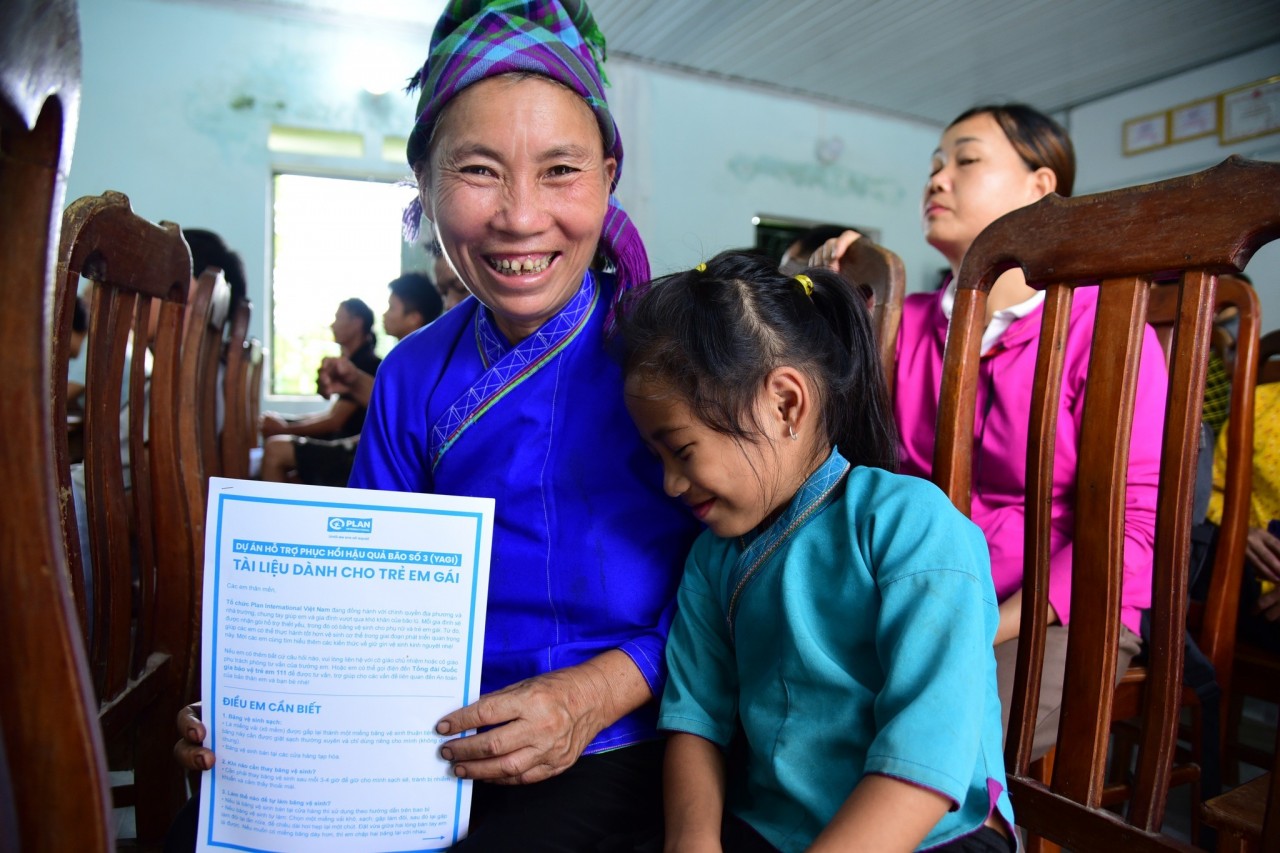
As of November 30, 2025, there were 379 FNGOs operating regularly in Viet Nam, with total disbursed aid during 2020–2024 reaching nearly USD 1.14 billion. FNGO programs and projects are diverse in scope and closely aligned with Viet Nam’s development needs, particularly those of Vietnamese partner ministries and localities. Many new models have generated clear impacts and been replicated. FNGO-supported programs and projects have been assessed as effective, relevant to needs, comprehensive in their intervention approaches, sustainable, and directly beneficial to communities.
FNGO activities take place across all provinces and cities. Project types, scales, and partners vary widely, from inter-provincial projects with budgets of millions of USD to smaller grants supporting physical supplies or health assistance for specific groups. The content of FNGO programs and projects increasingly focuses on capacity building and knowledge transfer, contributing to strengthening the capacities of various ministries, sectors, and localities. Examples include sharing technical models, developing monitoring and evaluation systems in health and agriculture-forestry, and supporting development activities for localities.
These achievements are largely attributable to Viet Nam’s enabling policies, most notably the National Program for Enhancing Cooperation and Mobilizing FNGO Aid for the 2019-2025 period. Based on this, the coordination relationship between Viet Nam and FNGOs has become increasingly equal, transparent, and effective, from identifying needs and designing projects to monitoring and implementing them.
In recent years, the Committee for Foreign Non-governmental Organization Affairs, together with relevant ministries, sectors, and provincial/municipal People’s Committees, has focused on creating favorable conditions for FNGO operations. As the Standing Agency of the Committee, the Viet Nam Union of Friendship Organizations has played a central role in effectively coordinating and connecting FNGOs with Vietnamese agencies and localities; serving as a regular and periodic information channel providing cooperation guidance for FNGOs and donors, enabling them to build strategies and plan programs and projects aligned with Viet Nam’s priorities and needs; and innovating and diversifying methods, partners, and subjects of FNGO cooperation and aid mobilization.
The Committee has concentrated on standardizing administrative procedures, helping shorten processing times for certain administrative steps; promoting inter-agency coordination mechanisms at all levels; guiding, monitoring, inspecting, and evaluating cooperation activities across ministries, sectors, and localities; and paying close attention to capacity building, training, and skills development for staff working on FNGO affairs in ministries, sectors, mass organizations, and localities to ensure long-term sustainability.
Placing people at the center, expanding cooperation with FNGOs for sustainable development
Delivering his directive remarks at the Conference, Member of the Party Central Committee and Deputy Prime Minister Bui Thanh Son expressed his delight at attending the 5th International Conference on Cooperation between Viet Nam and Foreign Non-Governmental Organizations, partners for prosperous and sustainable development - an important forum at a time when the world is undergoing profound changes and Viet Nam is entering a new phase of development with a far-reaching vision and strong determination.
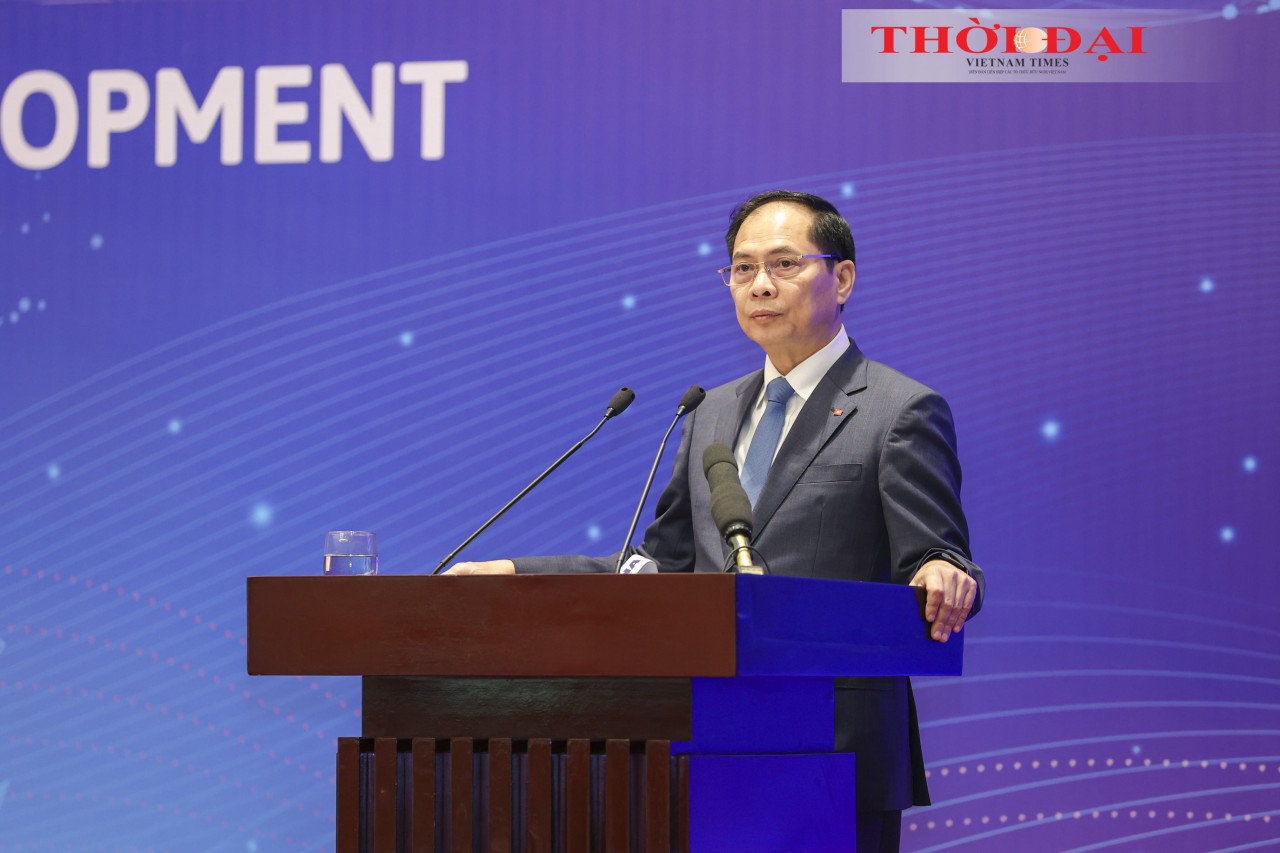 |
| Member of the Party Central Committee, Deputy Prime Minister Bui Thanh Son delivers directive remarks at the Conference. (Photo: Dinh Hoa) |
The Deputy Prime Minister affirmed that in all Viet Nam’s development decisions, the people are always placed at the center - both the goal, the subject, and the driving force of every program and project. Enhancing capabilities and ensuring that people have opportunities for comprehensive development and a prosperous, happy life is always the top priority.
In this journey, international cooperation, including cooperation with non-governmental organizations, especially FNGOs, is an indispensable component. FNGOs are partners that bring flexibility, creativity, proximity to communities, and the ability to reach vulnerable groups and areas where public resources have yet to cover. They also contribute humane values and a special sense of empathy in nurturing and developing human capacity.
Deputy Prime Minister Bui Thanh Son acknowledged and highly appreciated the positive, practical, and persistent contributions of FNGOs and international partners to Viet Nam across many sectors, especially health, education, poverty reduction, community development, rural development, climate change response, environmental protection, and disaster prevention… thereby helping people improve their material and spiritual well-being. Many successful models and lessons learned at local levels have been replicated and widely applied.
FNGOs have played an important role in mobilizing knowledge, technology, and advanced, modern governance initiatives from the international community to Viet Nam, and vice versa, bringing Viet Nam’s good practices to the world.
According to the Deputy Prime Minister, Viet Nam is entering a new phase of development, aiming for targets based on green growth, digital transformation, the knowledge economy, innovation, and sustainable development. This process requires mobilizing and effectively using all resources, including cooperation with FNGOs.
Viet Nam remains steadfast in its foreign policy of independence, self-reliance, multilateralization and diversification of international relations, being a friend, a reliable partner, and an active and responsible member of the international community. Cooperation with FNGOs is an important part of people-to-people diplomacy, contributing to strengthening friendship, promoting sustainable development, spreading humanitarian values, and enhancing Viet Nam’s connection with international friends.
“We value cooperation with FNGOs not only because of financial resources, but more importantly because of international knowledge, experience, creativity, humanitarian values, and new approaches in addressing community development challenges - factors not all forms of cooperation can offer. Cooperation between Viet Nam and FNGOs therefore is not merely supplementary but an essential part of the national development strategy,” the Deputy Prime Minister emphasized.
He noted that in the coming time, Viet Nam will issue the National Program on Enhancing Cooperation and Mobilizing FNGO Aid for the 2025-2030 period, while promoting the application of digital technology throughout the state management process for FNGO activities. The Government is implementing digital transformation, building e-government, digital government, and moving towards a digital society. Therefore, FNGO-related work will also be strongly digitalized, with enhanced data systems and databases to support management and publicize information. Viet Nam will also apply international-standard project evaluation indices, ensuring transparency and accountability at all stages, thereby aligning with global norms.
The Deputy Prime Minister said it is necessary to encourage multilateral cooperation models linking the public-private-social sectors, with participation from enterprises, research institutes, universities, international experts, scholar networks, religious organizations, and local communities. When each organization, enterprise, and scientist joins hands, they will create a humane, creative, and sustainable development ecosystem based on the rule of law.
He also acknowledged that over the past time, many businesses, including foreign-invested enterprises in Viet Nam, have directly participated in social and charitable activities, accompanying FNGOs in community programs.
To further enhance the effectiveness of FNGO-related work, the Deputy Prime Minister requested ministries, sectors, and localities to continue renewing their mindset and management methods, with the highest goal being to serve the people and the common interests of the community; ensuring that all difficulties and obstacles are resolved promptly and in accordance with the law.
“A better future does not come on its own; it is created from our humanitarian actions. Those working in the fields of non-governmental affairs, diplomacy, and development are the ones who help create positive change and spread goodwill. A small bridge can change the life of a village; a community classroom can open up a future for an entire region; a livelihood model, when replicated, can help a whole commune escape poverty; a post-disaster recovery program can restore hope for thousands of families; an education project can transform an entire generation in a commune or village,” the Deputy Prime Minister shared.
Deputy Prime Minister Bui Thanh Son expressed his belief that with the spirit of international solidarity, goodwill, responsibility, and creativity, this Conference will open new cooperation opportunities, new approaches, and new commitments for the 2025-2030 period. The Government of Viet Nam is committed to listening, accompanying, and creating the best possible conditions for FNGOs to operate effectively and promote their positive values in Viet Nam.
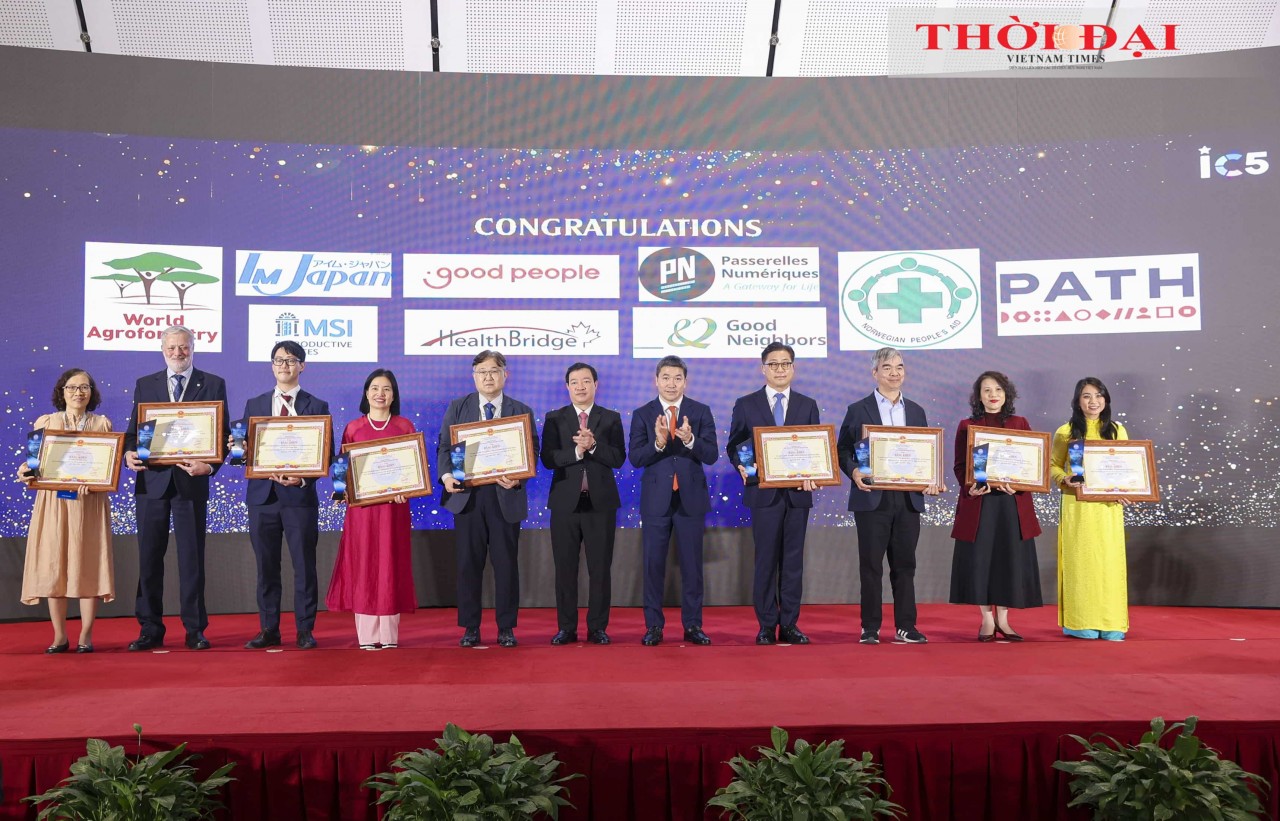
| On the afternoon of December 4 in Hanoi, the 5th International Conference on Cooperation between Viet Nam and Foreign Non-Governmental Organizations (NGOs), themed “Partnership for Prosperity and Sustainable Development,” concluded after a full day of discussions. The Conference identified four orientations for the next phase, emphasizing the need to strengthen mobilization effectiveness, shift from scattered to focused geographical areas, improve the legal environment, and enhance staff capacity to meet Vietnam’s requirements for sustainable and prosperous development. The Conference heard reports from four thematic workshops, through which participants reviewed the overall picture of cooperation outcomes between Viet Nam and development partners. All workshops agreed that the success of programs and projects relies heavily on four pillars: strategic orientation; transparent information-sharing; sustainable financial resources; and practical experience. The workshops also received many candid contributions from foreign NGOs, especially recommendations related to the legal environment and administrative procedures. These inputs serve as the official basis for the Committee for Foreign NGO Affairs to consolidate and report to competent authorities, thereby addressing obstacles and materializing proposals to create maximum convenience for partners. The Conference adopted a Declaration calling for the close attention, companionship, and active support of the international community, particularly development organizations, donors, businesses, corporations, and socially responsible individuals, to join hands for a sustainably developing and prosperous Viet Nam. Participants committed to continuing efforts to build and strengthen sustainable cooperative relations based on mutual understanding, respect, solidarity, and friendship between the Vietnamese people and peoples worldwide; affirmed the essential role of people-to-people cooperation in promoting peace, development, and global connectivity; and expressed hope for continued long-term, responsible, and effective engagement from international partners in the time ahead. Delivering the closing remarks, Deputy Minister of Foreign Affairs and Chairman of the Committee for Foreign NGO Affairs Ngo Le Van reviewed the key contents and notable achievements in NGO cooperation since the 4th Conference in 2019, highlighting the following: Foreign NGOs have disbursed more than USD 1.1 billion in aid and implemented thousands of humanitarian and development programs and projects across all regions of Viet Nam. These resources have been directed toward essential sectors, with many effective development models documented and replicated. Foreign NGOs have made important contributions to promoting the image of a peaceful, compassionate, proactive, and internationally responsible Viet Nam. Cooperation between foreign NGOs and Vietnamese partners (state agencies, people’s organizations, local authorities, enterprises, etc.) has been strengthened, expanded, and deepened on the basis of equality, respect, and mutual trust. Coordination mechanisms, information-sharing, and oversight have been improved, leading to more effective, transparent, and nationally aligned use of aid. The four thematic workshops produced numerous important initiatives and recommendations. The Committee will compile these and report to the Government to support policymaking in the new phase. The recommendations focus on five core areas: improving the legal framework and management mechanisms for NGO aid to ensure transparency, convenience, and alignment with international standards; renewing coordination procedures to enhance local proactivity and more effectively integrate aid into development goals; strengthening data sharing and digital technology application in project management, monitoring, and evaluation to ensure timeliness and connectivity; building capacity for officials working on NGO affairs at all levels, especially in integration skills and policy advisory capabilities; and encouraging private-sector participation, particularly in digital transformation, green transition, and innovation. Deputy Minister Ngo Le Van emphasized that as Viet Nam enters a new stage of development, cooperation with foreign NGOs must continue to undergo strong innovation. In this spirit, the Conference agreed on four major orientations for the next period: First, strengthen the mobilization and effective use of NGO aid, particularly in strategic areas such as human resource development, green transition, digital transformation, climate change adaptation, environmental protection, and community resilience. NGO aid should be closely linked with Viet Nam’s national strategies and international commitments. Second, consolidate and expand networks of friends and international partners, and enhance information exchange among Vietnamese partners, foreign NGOs, and beneficiary units in order to promote the spread of good models, best practices, and sustainable development values. Third, improve the legal environment and management mechanisms for NGO aid in a modern, transparent, and efficient manner, and promote digital transformation across the entire aid reception, management, and evaluation process. Fourth, focus on capacity building for officials involved in NGO affairs at both central and local levels, improving project management skills, diplomatic skills, integration capacity, and policy analysis to meet the increasingly high demands of the new development phase. Deputy Minister Ngo Le Van expressed confidence that these four orientations will form a solid foundation for enhancing the effectiveness of NGO aid while strengthening the bond between Viet Nam and its international friends toward the goals of sustainable and prosperous development. On the same day, the Committee for Foreign NGO Affairs and the Viet Nam Union of Friendship Organizations (VUFO) held a Commendation Ceremony to acknowledge the positive contributions of collectives and foreign non-governmental organizations (NGOs) to Viet Nam’s sustainable development during the 2020-2025 period.
Accordingly, the Committee for Foreign NGO Affairs awarded Certificates of Merit to 23 collectives; while the Viet Nam Union of Friendship Organizations awarded Certificates of Merit to 25 foreign NGOs and 4 foreign enterprises. This marks the first time that the Viet Nam Union of Friendship Organizations has presented Certificates of Merit to recognize the contributions of foreign enterprises that have actively cooperated with foreign NGOs in Viet Nam. |
Source: Vietnamtimes