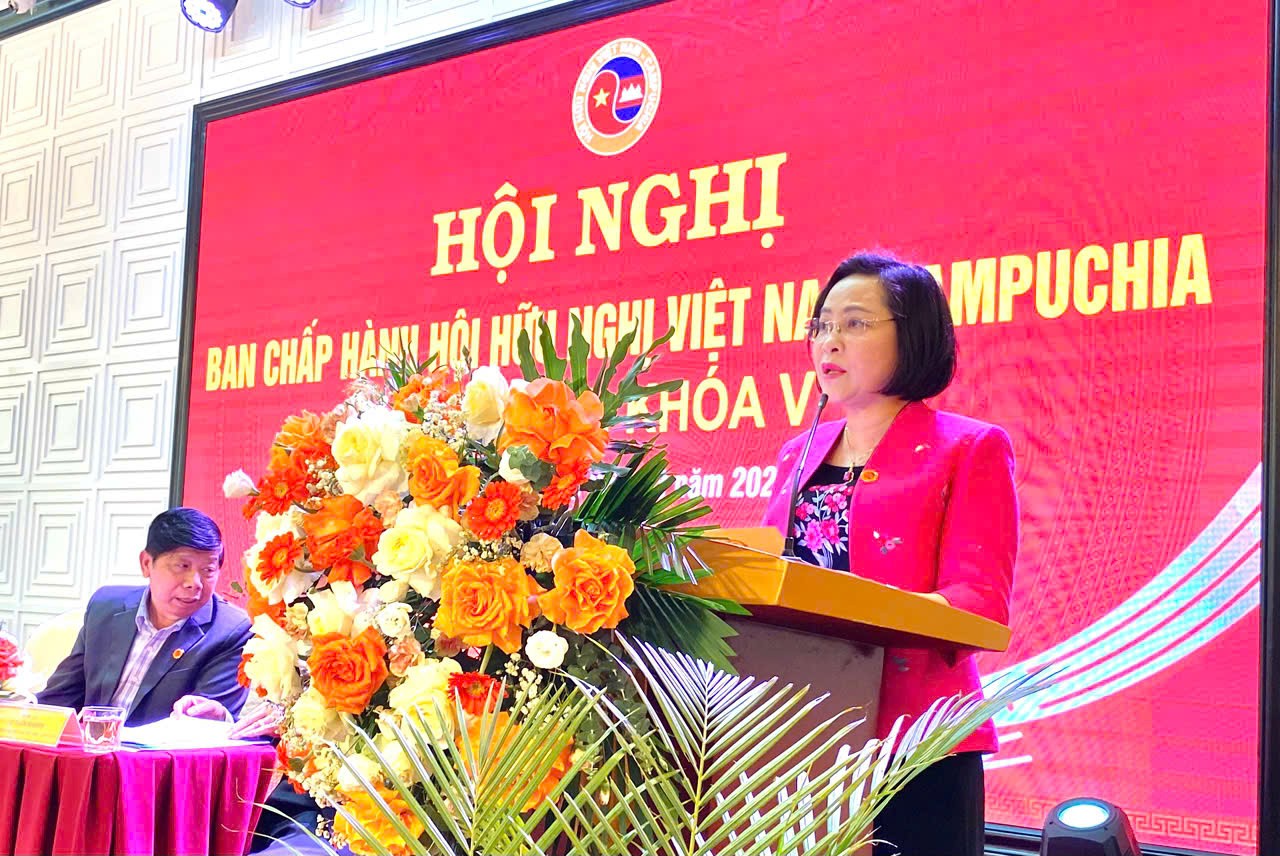
Le Van Tuy, Standing Vice President of the Central Committee of the Viet Nam-Cambodia Friendship Association, attended and delivered a directive speech at the Congress.
According to the report presented at the Congress, during the 2026-2031 term, the Association will focus on strengthening its organizational structure to ensure unified and effective operations after the merger; promoting people-to-people diplomacy to contribute to enhancing Viet Nam-Cambodia relations; improving the spiritual well-being of members, especially former experts and volunteer soldiers; and raising the quality of its activities alongside intensified communication and educational efforts.
The Congress elected a 25-member Executive Committee for the 2026-2031 term. Ta Phu Tho was elected as President of the Association.
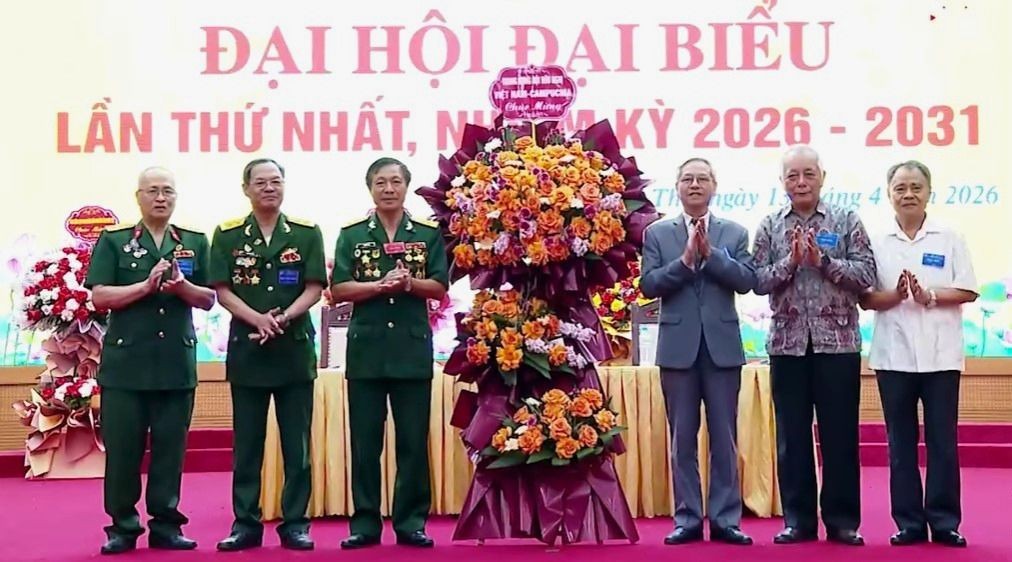 |
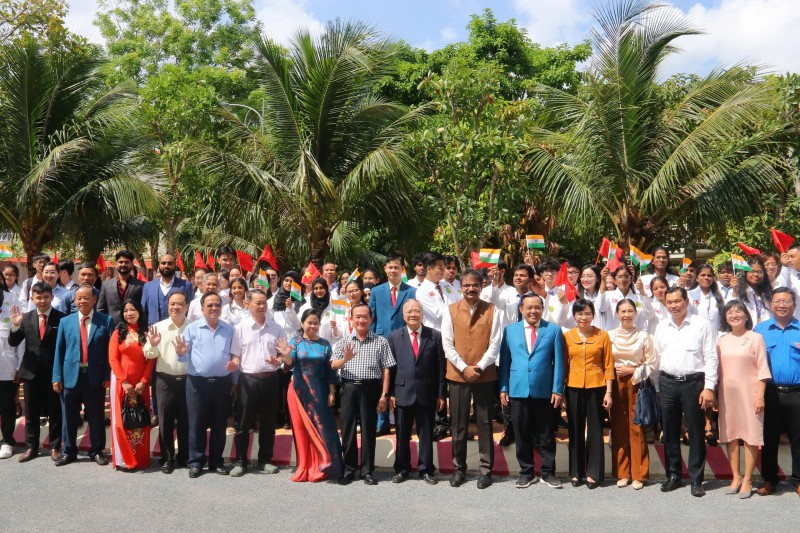
| Le Van Tuy (third from the right), Standing Vice President of the Central Committee of the Viet Nam-Cambodia Friendship Association, presented flowers to congratulate the Congress. (Screenshot) |
In his directive remarks, Le Van Tuy called on the Association to focus on implementing five key groups of tasks in the new term.
First, building, consolidating, and developing the Association’s organizational system will remain a central and continuous task. Immediately after the Congress, the Association should promptly complete its organizational structure, strengthen grassroots units, and expand membership, particularly in areas of the former Hoa Binh province where no Association chapters currently exist.
Membership development should take former volunteer soldiers and former experts as the core force, while also expanding to various social groups, especially youth, enterprises, entrepreneurs, and dedicated individuals. Building solidarity and unity across the entire system is identified as a decisive factor in improving operational effectiveness.
Second, promoting people-to-people diplomacy. The Association should actively participate in external relations activities organized by local authorities and the Central Committee, and effectively implement the “Nurturing Friendship” program.
Based on practical conditions, the Association may organize exchanges between Cambodian military students studying at the Armored Corps Officer Training School and former volunteer soldiers, former experts, and local youth. At the same time, it can leverage local landmarks such as Hung Kings Temple and Hoa Binh Hydropower Plant to organize visits and exchanges, thereby promoting the local image and enhancing mutual understanding between the peoples of the two countries. Organizing delegations of former volunteer soldiers, experts, and relatives of fallen soldiers to revisit former battlefields in Cambodia should also be prioritized, meeting legitimate aspirations while fostering tradition.
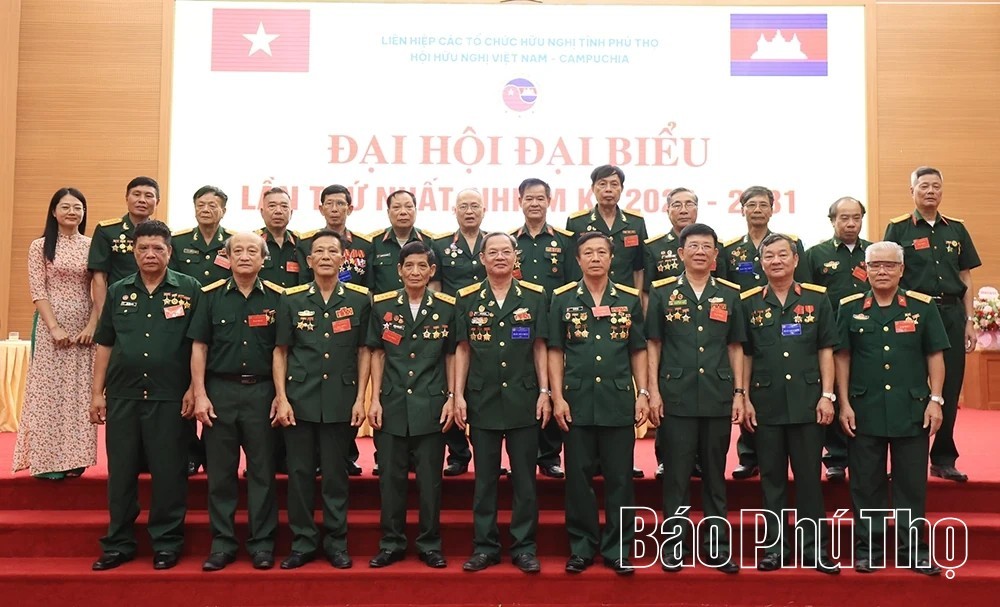 |
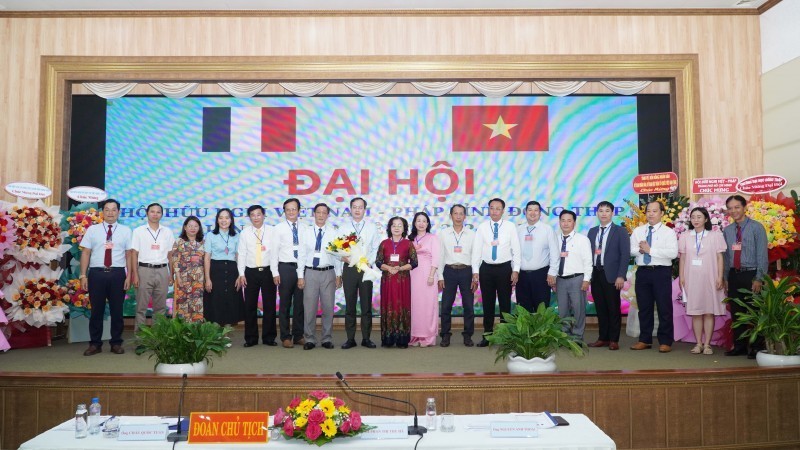
| The Executive Committee of the Viet Nam-Cambodia Friendship Association of Phu Tho Province for the 2026-2031 term made its debut at the Congress. (Photo: Phu Tho Newspaper) |
Third, effectively implementing comradeship support activities. The Association will continue to care for the well-being of its members, especially policy beneficiaries and those in difficult circumstances, through visits and practical assistance. This will help strengthen internal cohesion, create a foundation for membership development, and enhance the Association’s reputation within the community.
Fourth, intensifying communication on Viet Nam-Cambodia friendship among members and the public; proactively countering distorted narratives by hostile forces, thereby contributing to safeguarding the ideological foundation and solidarity between the peoples of the two countries. Communication efforts will be closely linked with disseminating the Party’s guidelines, State policies and laws, and local socio-economic development programs.
Fifth, the Association should strengthen the mobilization of socialized resources, seeking sponsorship from enterprises, organizations, and individuals, while also leveraging support from local Party committees and authorities.
One proposed direction is to study the establishment of an enterprise club under the Association, thereby expanding networks, generating resources, and gradually reducing the burden of membership fees.
Despite challenges in human resources, experience, and finances, the two Associations had built affiliate networks or organizational foundations in nearly 100% of district-level areas; effectively implemented people-to-people diplomacy and communication on Viet Nam-Cambodia relations; carried out meaningful comradeship support activities; and actively participated in local socio-economic development movements.
These achievements provide an important foundation for the post-merger Association to continue developing in a more solid, effective, and sustainable manner in the new term.
Source: Vietnamtimes
.png)