The seminar aimed to clarify the system of agencies and organizations engaged in people-to-people diplomacy; assess the network of partners and the implementation of people-to-people diplomacy activities in Viet Nam in recent years; analyze achievements, limitations, and underlying causes; and propose solutions to enhance the effectiveness of people-to-people diplomacy in response to the requirements of the new situation.
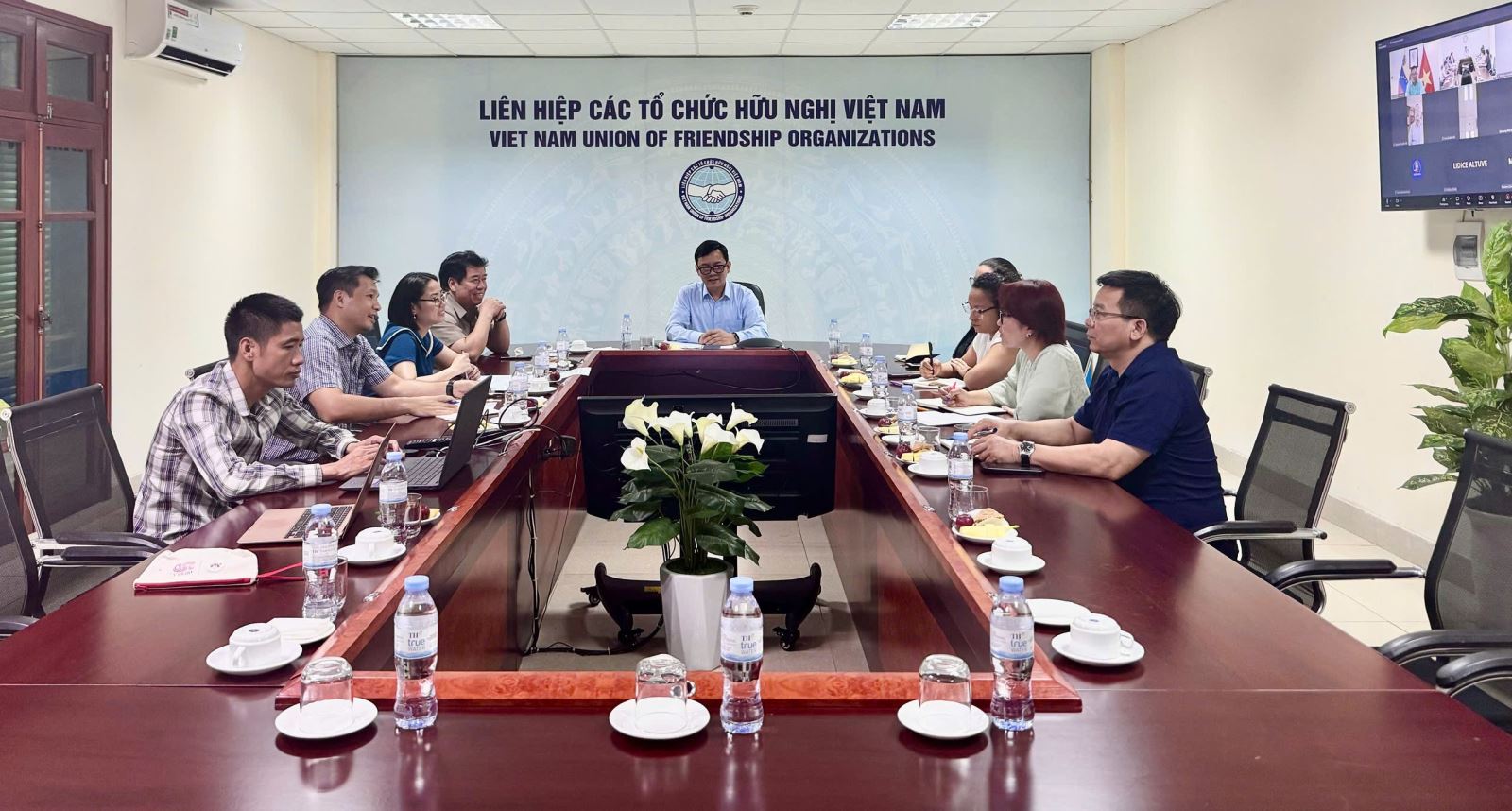
Dong Huy Cuong, Vice President of the Viet Nam Union of Friendship Organizations and Scientific Secretary of the research project, and Dr. Bui Thi Phuong Lan, former Deputy Director of the Institute of American Studies under the Viet Nam Academy of Social Sciences, member of the Executive Committee of the Viet Nam-US Society, and principal member of the research project, co-chaired the seminar.
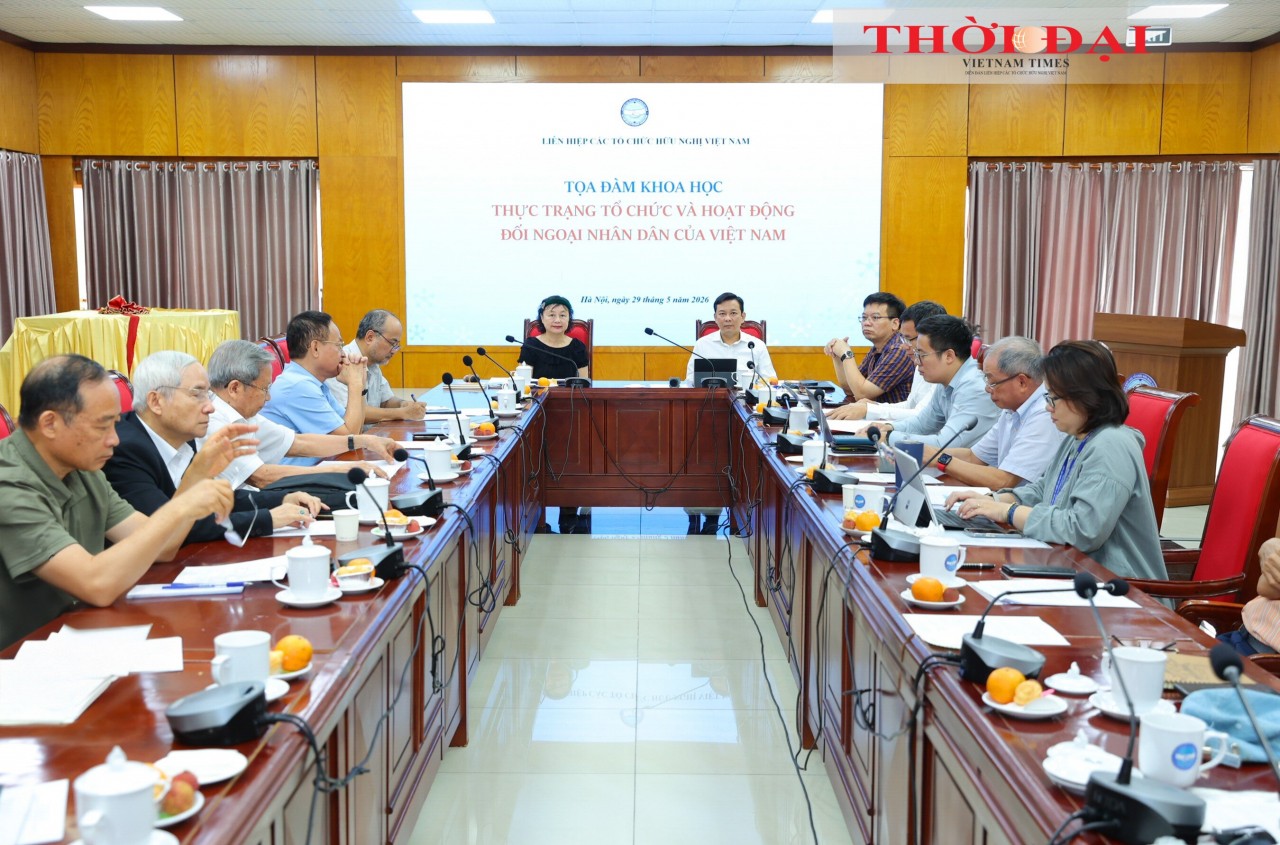 |
| The scientific seminar “The current state of Viet Nam’s people-to-people diplomacy organizations and activities.” (Photo: Dinh Hoa) |
The seminar brought together experts, scholars, policymakers, and researchers from ministries, sectors, the Central Committee of the Viet Nam Fatherland Front, mass organizations assigned tasks by the Party and the State, as well as representatives of research and training institutions and agencies involved in foreign affairs and people-to-people diplomacy.
Participants included Dr. Tu Thanh Hue, Deputy Head of the Committee for People-to-People Diplomacy under the Central Committee of the Viet Nam Fatherland Front; Dr. Nguyen Nang Khieu, Director General of the Americas–Oceania Department of the Viet Nam Union of Friendship Organizations; Major General and Associate Professor Dr. Le Van Cuong, former Director of the Institute for Strategic Studies under the Ministry of Public Security; Dinh Quang Minh, representative of the Department of International Organizations under the Ministry of Foreign Affairs; Ambassador Nguyen Trung Kien, Chairman of the State Committee for Overseas Vietnamese Affairs; Dr. Nguyen Xuan Vang, former Director General of the Department of International Cooperation under the Ministry of Education and Training; Dr. Nguyen Anh Tuan, President of the Institute for Tourism Economics under the Viet NamTourism Association; together with leaders and staff members of departments and units under the Viet Nam Union of Friendship Organizations.
“Knowing ourselves” to enhance the effectiveness of people-to-people diplomacy
In his opening remarks, Dong Huy Cuong noted that at the 14th National Congress of the Communist Party of Viet Nam, foreign affairs and international integration were, for the first time, identified as a “regular and crucial” task, on par with national defense and security. People-to-people diplomacy continues to be recognized as a strategic pillar in building a positive, favorable, and sustainable social foundation; strengthening international consensus; fostering public support from abroad; and, together with Party diplomacy and State diplomacy, effectively serving the cause of national development and safeguarding the nation from an early stage and from afar.
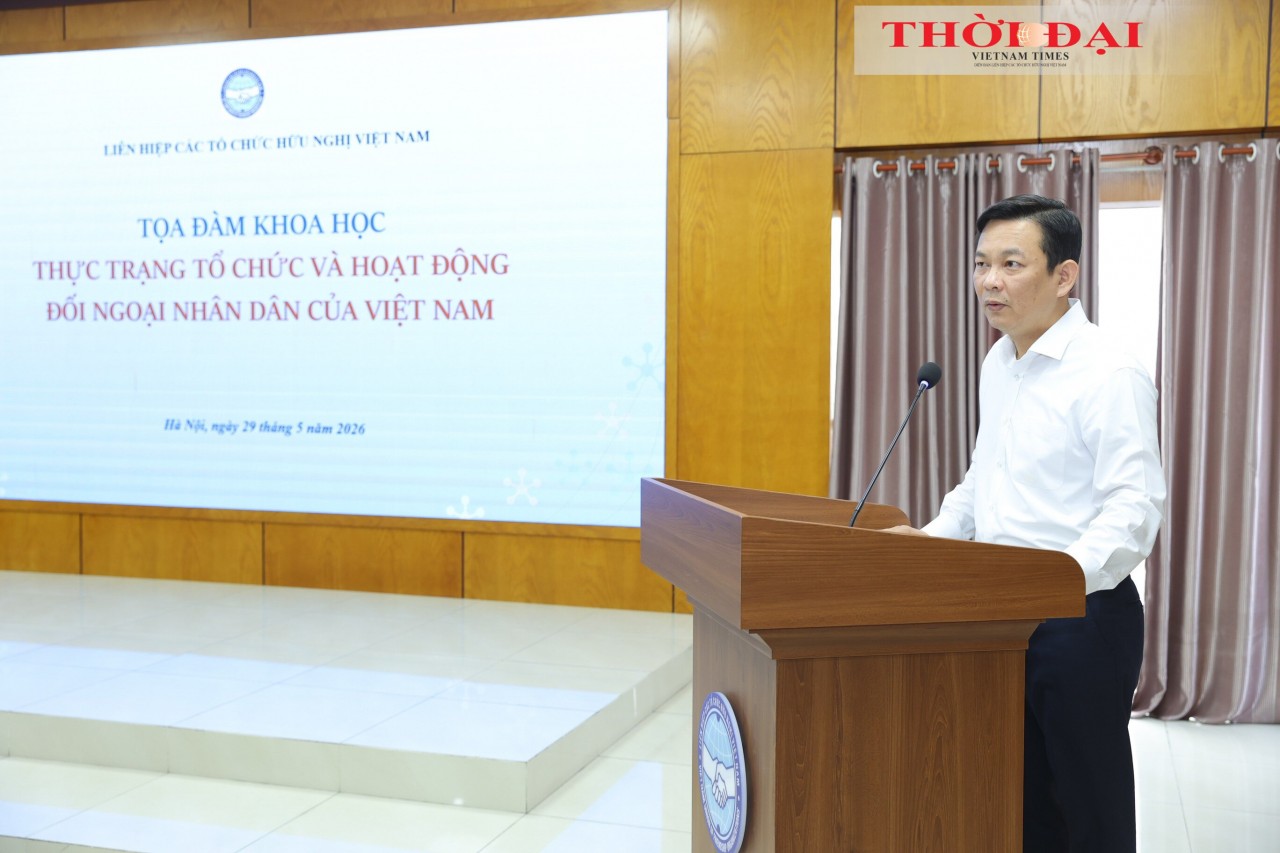 |
| Dong Huy Cuong, Vice President of the Viet Nam Union of Friendship Organizations, delivers the opening remarks at the seminar. (Photo: Dinh Hoa) |
According to Dong Huy Cuong, studying and assessing the current state of people-to-people diplomacy organizations and activities is not only a requirement of the research project but also carries significant importance for shaping the vision of people-to-people diplomacy in the new era. He emphasized that, alongside studying international experiences and global transformations, it is essential to “know ourselves,” accurately identify the current situation, and pursue self-renewal to improve the effectiveness of people-to-people diplomacy.
In outlining the discussion, he encouraged participants to focus on evaluating the organizational system, coordination mechanisms, partner networks, and the effectiveness of implementing people-to-people diplomacy activities, while also identifying limitations and bottlenecks related to organizational structures, resources, personnel, and operational mechanisms.
According to him, an important objective of the seminar was to propose orientations, solutions, and recommendations to improve the effectiveness of people-to-people diplomacy in line with the country’s development requirements in the new period.
Building on these directions, presentations and discussions focused on analyzing the current state of Viet Nam’s people-to-people diplomacy organizations and activities from multiple perspectives, including organizational structures, partner networks, advocacy efforts, the struggle to safeguard national interests, the role of overseas Vietnamese communities, and international cooperation in education, science and technology, cultural tourism, and other fields.
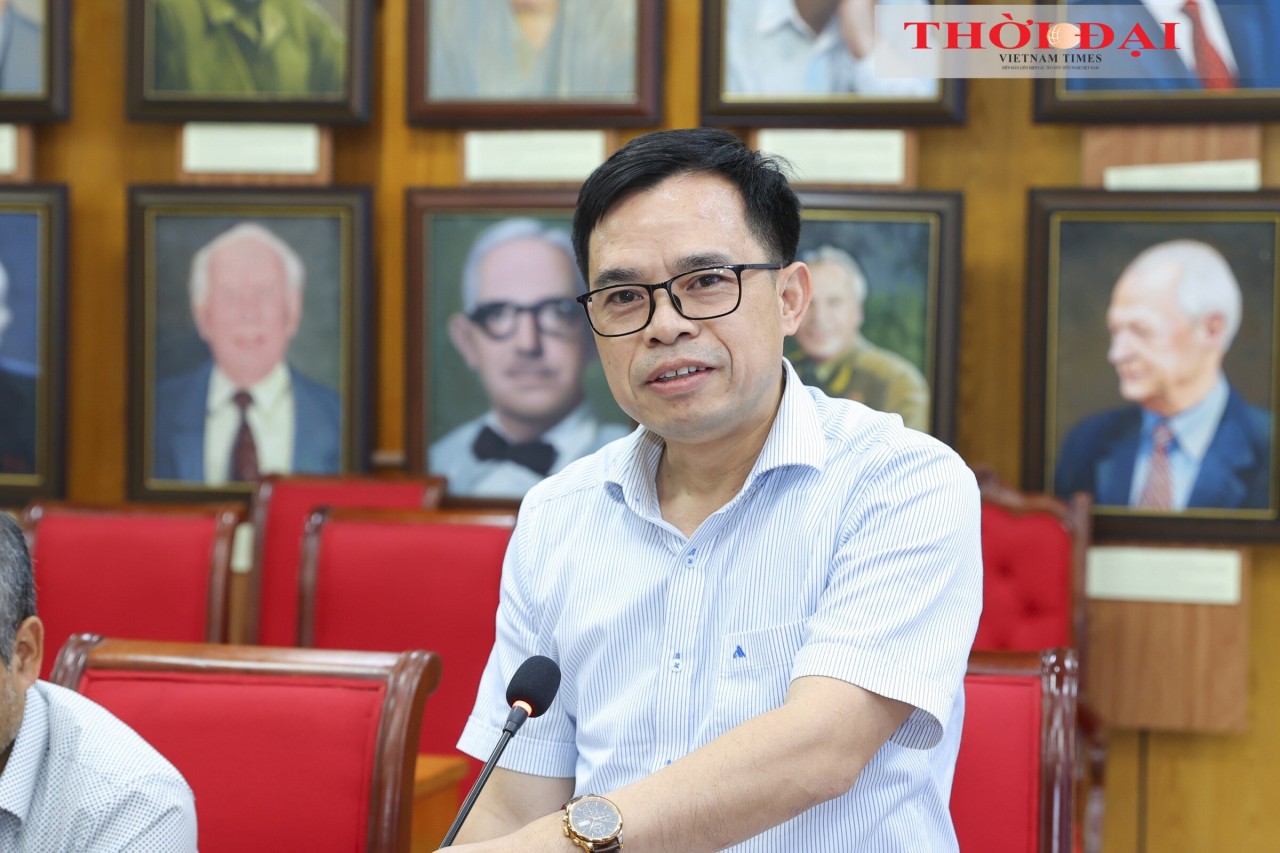 |
| Dr. Tu Thanh Hue, Deputy Head of the Committee for People-to-People Diplomacy under the Central Committee of the Viet Nam Fatherland Front, presents his paper at the seminar. (Photo: Dinh Hoa) |
Participants agreed that people-to-people diplomacy continues to affirm its role as one of the three pillars of Viet Nam’s foreign affairs, alongside Party diplomacy and State diplomacy. In the context of increasingly deep international integration, people-to-people diplomacy contributes to enhancing mutual understanding, strengthening friendship between the Vietnamese people and people around the world, mobilizing international resources, promoting the country’s image, and safeguarding national interests from an early stage and from afar.
Regarding organizational structures and partner networks, participants observed that Viet Nam has developed a relatively comprehensive system of organizations engaged in people-to-people diplomacy, involving a wide range of actors from the central to local levels. According to preliminary statistics, political and mass organizations assigned tasks by the Party and the State currently maintain approximately 1,400 international partners, of which the Viet Nam Union of Friendship Organizations accounts for 608. However, several participants also noted that coordination mechanisms among actors involved in people-to-people diplomacy still face limitations, the quality of activities varies across sectors and localities, and the level of international connectivity in some fields has yet to match their potential.
Leveraging resources and expanding the space for people-to-people diplomacy
Addressing overseas Vietnamese affairs, experts assessed that the community of more than 6.5 million Vietnamese living, studying, and working in over 130 countries and territories constitutes an important resource for people-to-people diplomacy. With strengths in knowledge, international experience, extensive networks, and cross-cultural connectivity, overseas Vietnamese are contributing to the promotion of cooperation in education, science and technology, investment, trade, culture, and tourism, while also helping to enhance Viet Nam’s image within the international community. Participants also emphasized the need to further improve mechanisms and policies, and to strengthen connections between intellectuals, experts, entrepreneurs, and younger generations of overseas Vietnamese and their counterparts in Viet Nam.
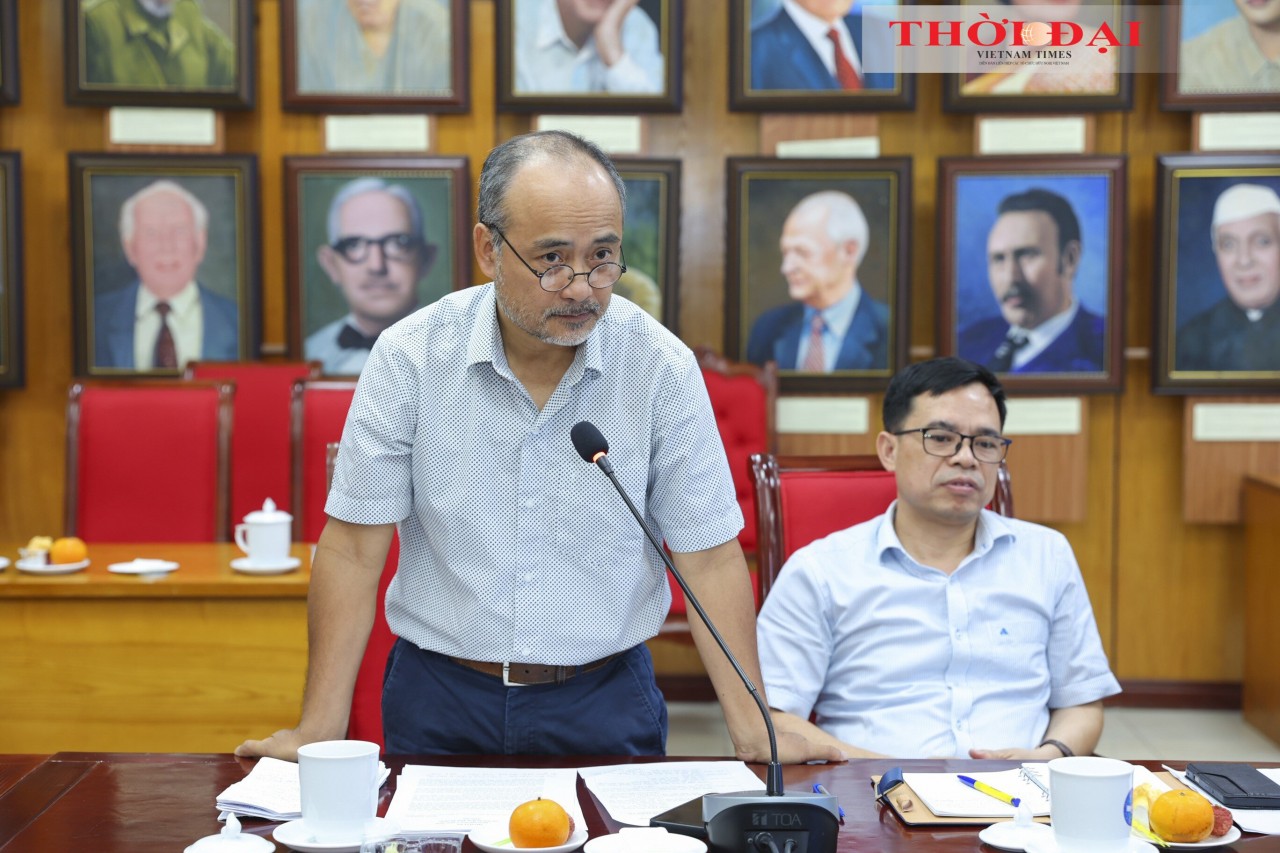 |
| Ambassador Nguyen Trung Kien, Chairman of the State Committee for Overseas Vietnamese Affairs, presents his paper at the seminar. (Photo: Dinh Hoa) |
In the field of higher education, people-to-people diplomacy is evolving beyond exchange activities toward deeper forms of cooperation through international academic, research, and training networks. In this regard, higher education is not only an area of international cooperation but also an important platform for establishing long-term collaborative networks among educational institutions, scientists, experts, and students from different countries. Many participants proposed strengthening educational cooperation networks and enhancing the effectiveness and sustainability of international cooperation programs in this field.
Based on the papers presented and discussions held during the seminar, many participants argued that it is necessary to continue reviewing and improving the organizational system and coordination mechanisms for people-to-people diplomacy; develop long-term partnership strategies that both consolidate traditional partners and expand connections with research institutes, scholars, entrepreneurs, politicians, and emerging partner groups; and establish a shared partner database for use throughout the system. Experts also emphasized the need to further expand and strengthen international partner networks, deepen engagement with organizations and individuals who hold goodwill toward Viet Nam, and improve the effectiveness of participation in multilateral cooperation mechanisms and international networks.
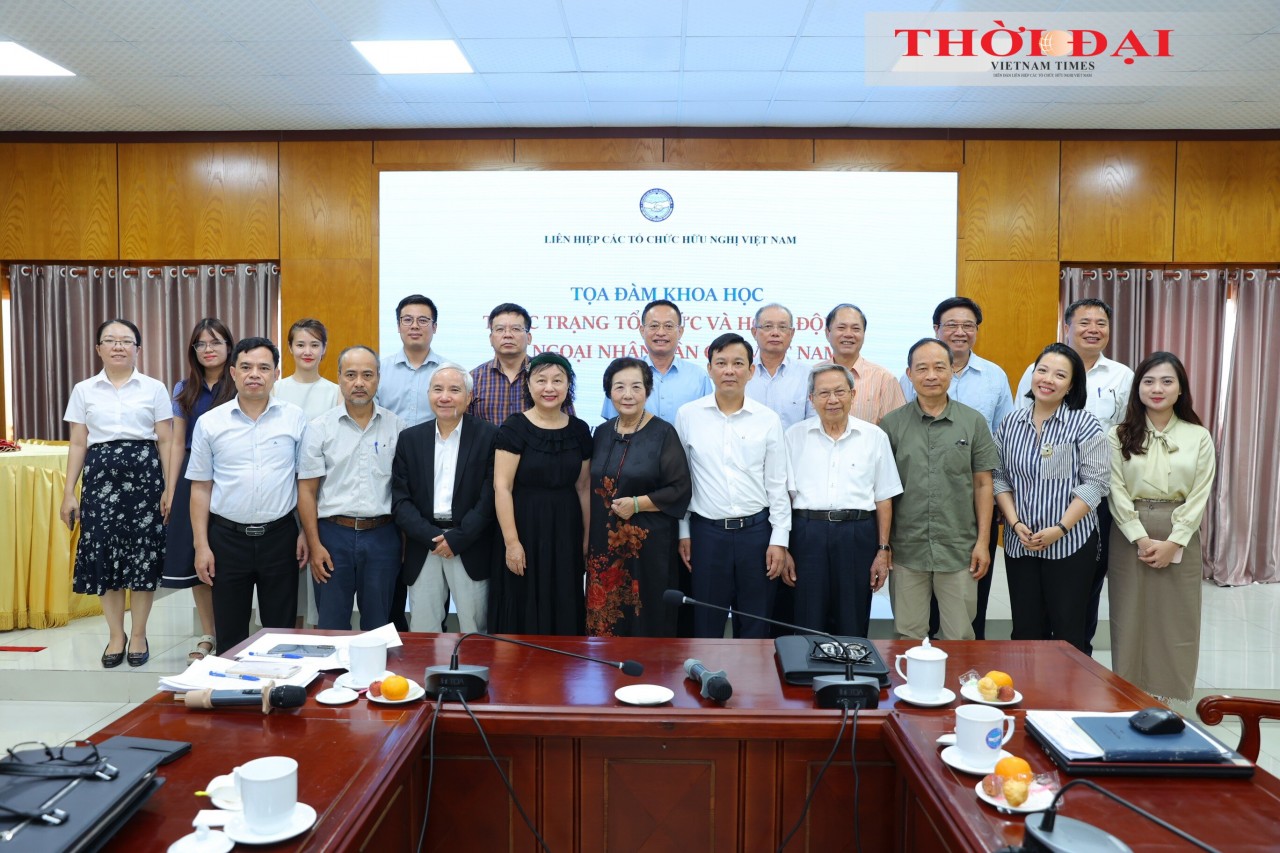 |
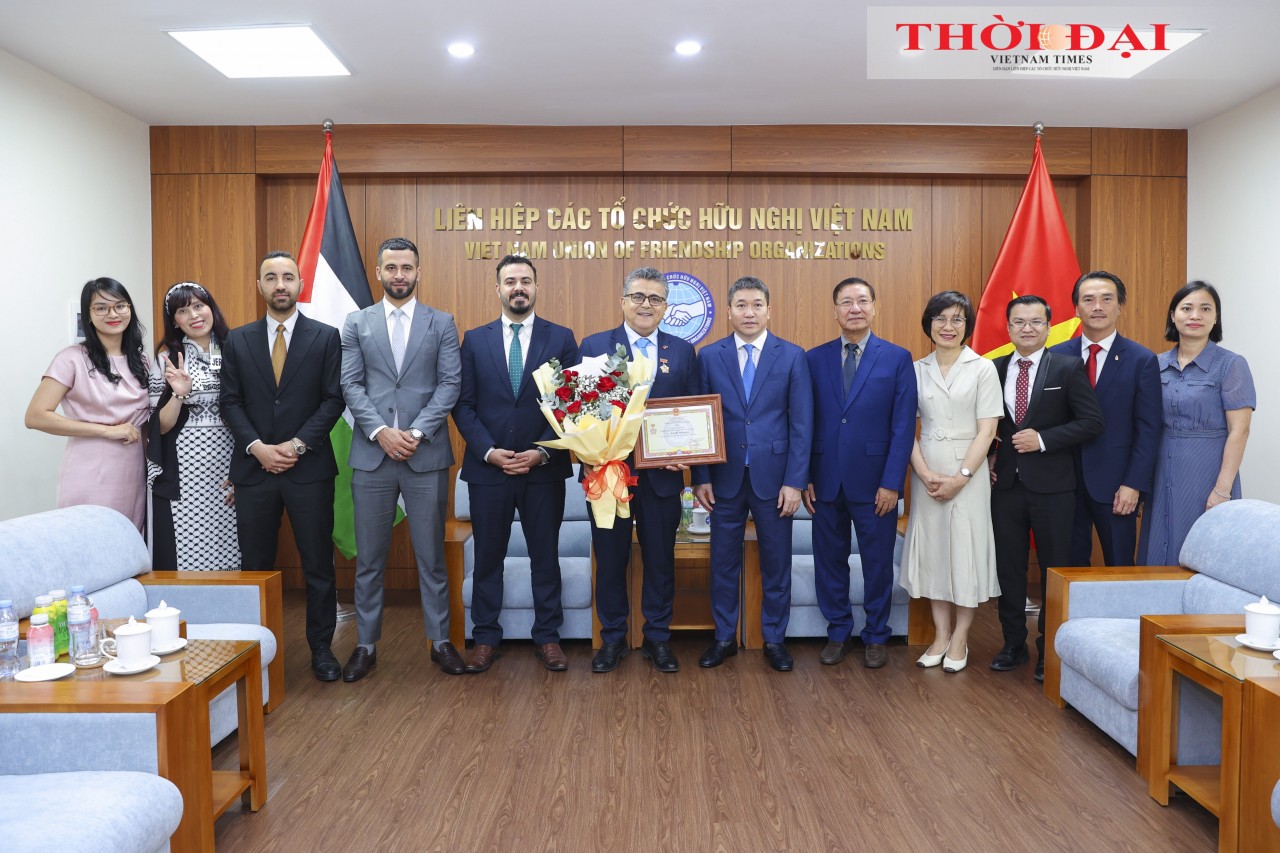
| Delegates pose for a commemorative photograph. (Photo: Dinh Hoa) |
Many participants proposed renewing the mindset and methods of implementing people-to-people diplomacy in a more systematic, proactive, and effective manner; promoting the role of overseas Vietnamese communities, businesses, students, workers, and reputable individuals as bridges for promoting Viet Nam’s image abroad. At the same time, they stressed the importance of strengthening linkages among organizations, localities, educational institutions, and international partners to mobilize resources more effectively for national development and to more closely align people-to-people diplomacy activities with the task of safeguarding national interests.
| Seven papers presented at the seminar 1. People-to-People Diplomacy in Safeguarding National Defense and Security: Current Situation, Effectiveness, and Solutions (Assoc. Prof. Dr. Le Van Cuong, former Director of the Institute for Strategic Studies, Ministry of Public Security) 2. An Overview of Organizations Engaged in People-to-People Diplomacy (Dr. Tu Thanh Hue, Deputy Head of the Committee for People-to-People Diplomacy, Central Committee of the Viet Nam Fatherland Front) 3. The Partner System of Viet Nam’s People-to-People Diplomacy (Dr. Nguyen Nang Khieu, Director General of the Americas-Oceania Department, Viet Nam Union of Friendship Organizations) 4. People-to-People Diplomacy in Advocacy and the Protection of National Interests in the Areas of Democracy, Human Rights, Ethnic Affairs, and Religion (Dinh Quang Minh, representative of the Department of International Organizations, Ministry of Foreign Affairs) 5. People-to-People Diplomacy in Overseas Vietnamese Affairs (Ambassador Nguyen Trung Kien, Chairman of the State Committee for Overseas Vietnamese Affairs) 6. Enhancing the Effectiveness of Viet Nam’s People-to-People Diplomacy in Promoting International Cooperation in Culture, Science and Technology, Education, and Training (Dr. Nguyen Xuan Vang, former Director General of the Department of International Cooperation, Ministry of Education and Training) 7. Promoting the Role of People-to-People Diplomacy in Nationwide Cultural Tourism Activities (Dr. Nguyen Anh Tuan, President of the Institute for Tourism Economics, Viet Nam Tourism Association) |
Source: Vietnamtimes

.jpg)
.jpg)