 |
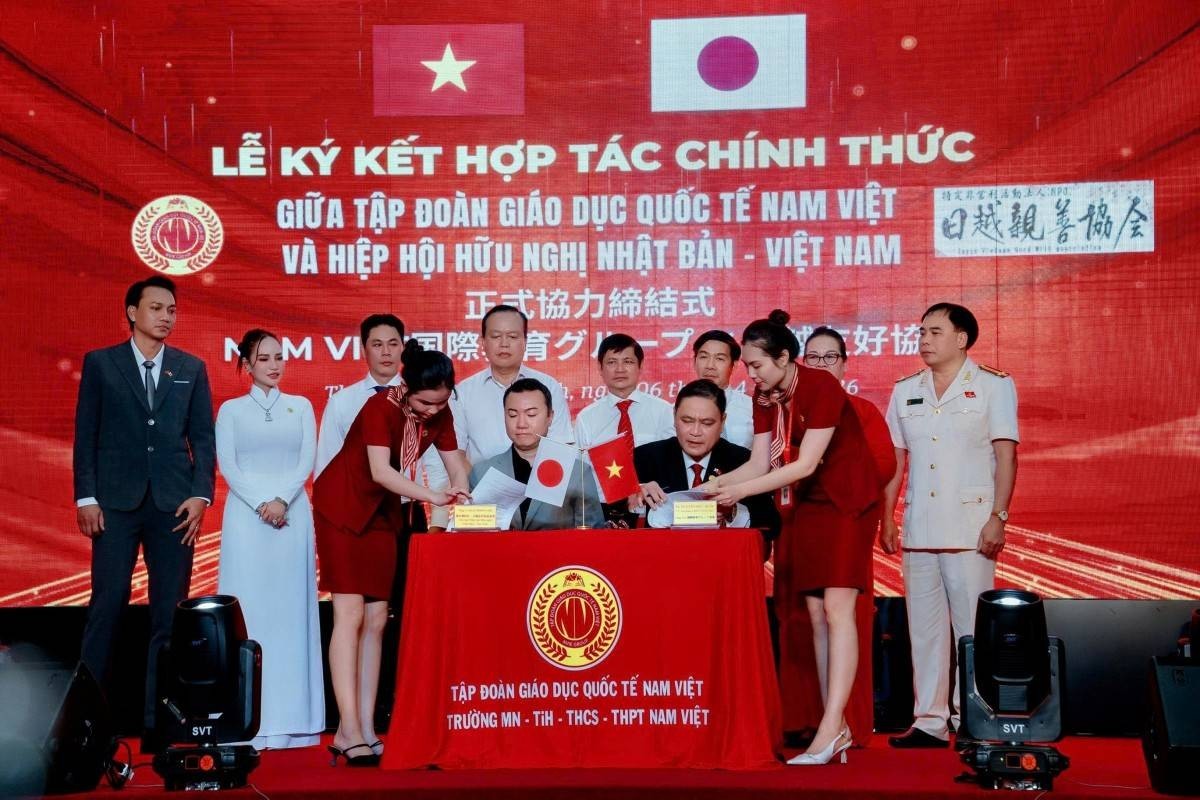
| The Japan-Viet Nam Friendship Association and Nam Viet International Education Group signed a cooperation agreement in early April 2026. (Photo: Business and Integration Magazine) |
As the Viet Nam – Japan bilateral relationship continues to thrive, education is considered one of the areas with great potential, not only for training human resources but also creating a foundation for enhancing understanding and connection between the two peoples. At the event, representatives of the Japan-Viet Nam Friendship Association and Nam Viet International Education Group signed a cooperation agreement after numerous exchanges, surveys, and working sessions over the past period.
Speaking at the signing ceremony, President of the Japan-Viet Nam Friendship Association Sakai Hironori emphasized the role of education in building a sustainable foundation for cooperation between the two countries. He believes that education is not only about imparting knowledge but also a crucial channel for sharing cultural values, ways of thinking, and development experiences. This serves as a bridge contributing to strengthening mutual understanding between the people of Viet Nam and Japan, especially through the younger generations.
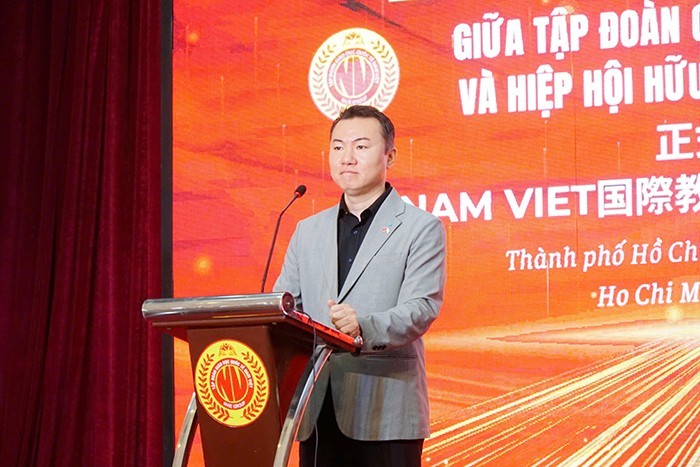 |
| President of the Japan-Viet Nam Friendship Association Sakai Hironori spoke at the event (Photo: Ho Chi Minh City Education Magazine). |
President of the Japan-Viet Nam Friendship Association Sakai Hironori stated that, through practical research at numerous educational institutions in Viet Nam, from preschool to university level, the Japan-Viet Nam Friendship Association highly appreciates the development potential of Vietnamese education. Promoting cooperation programs in this field will contribute to creating a workforce capable of adapting to the international environment, while also contributing to the overall development of each country.
According to the signed agreement, the two sides agreed to broaden collaboration in several key areas, including strengthening academic exchanges, sharing educational experiences, building a multicultural learning environment, and expanding vocational training opportunities linked to practical needs. These initiatives are expected to enable Vietnamese students to access advanced Japanese educational models, while also contributing to the dissemination of values such as discipline, responsibility, and professionalism.
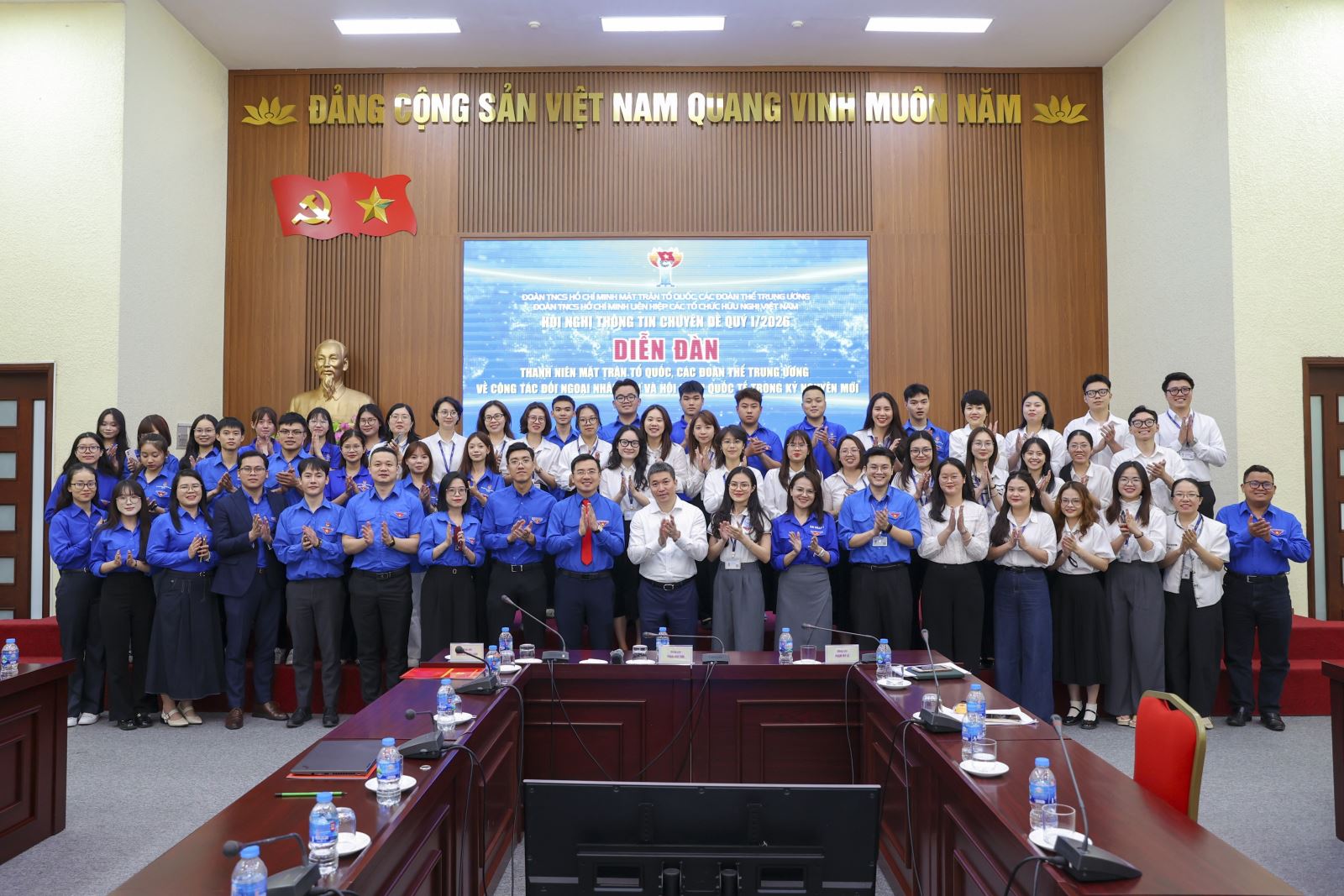
These initiatives involve young individuals active in the field of international exchange, demonstrating the increasingly prominent role of the younger generation in people-to-people diplomacy. This also contributes to enriching traditional cooperation channels and creating new momentum for the friendly relations between the two countries.
Source: Vietnamtimes

.png)